


L'Orfeo
Explore Monteverdi's L'Orfeo
L'Orfeo at a glance
Claudio Monteverdi
Italian
Opera
Festival 2026
Festival 2026
Who wrote L’Orfeo?
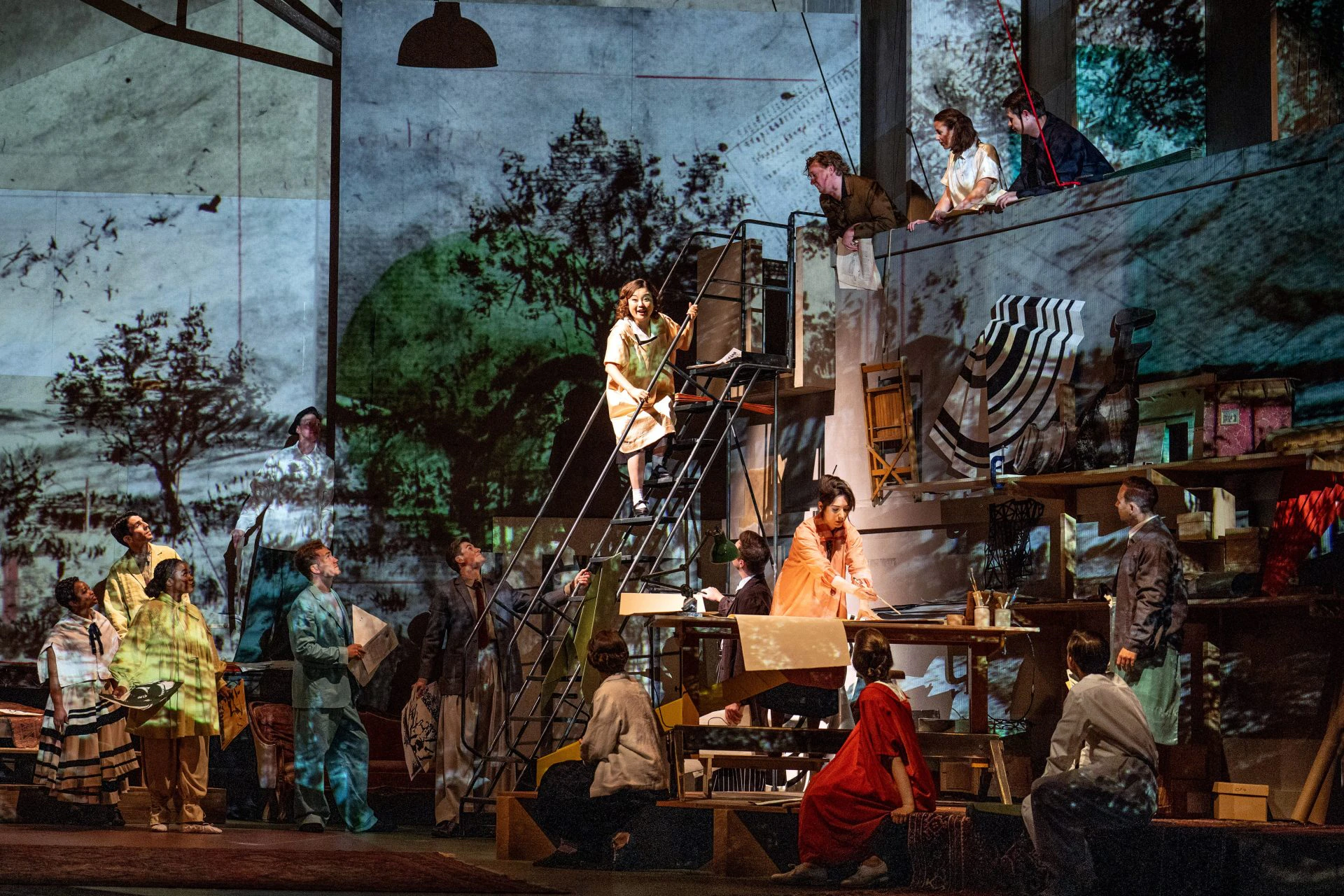
The music for L’Orfeo was written by Claudio Monteverdi, with libretto by Alessandro Striggio. It was first performed in 1607, in Italy. Glyndebourne’s first ever production of Monteverdi’s L’Orfeo was performed in Festival 2026, in a staging by visual artist and Olivier-Award winning director William Kentridge.
A brief introduction
Wedding celebrations for Orpheus and Euridice turn to mourning when Euridice is bitten by a snake and dies. Refusing to accept her loss, Orpheus travels to the Underworld to beg the gods to restore her to life.
If Monteverdi’s L’Orfeo is not the first opera, it’s certainly the first great one – and still remains at the core of the repertoire today. The score takes a pastel-coloured myth about gods and mortals and invests it with primary-coloured human pain and joy: expressive, immediate, undeniable emotion.
The Orpheus myth is a story about the power of music. In Orfeo, Monteverdi not only retold the story but enacted it upon his audience – mesmerised by the effect of this revolutionary score.
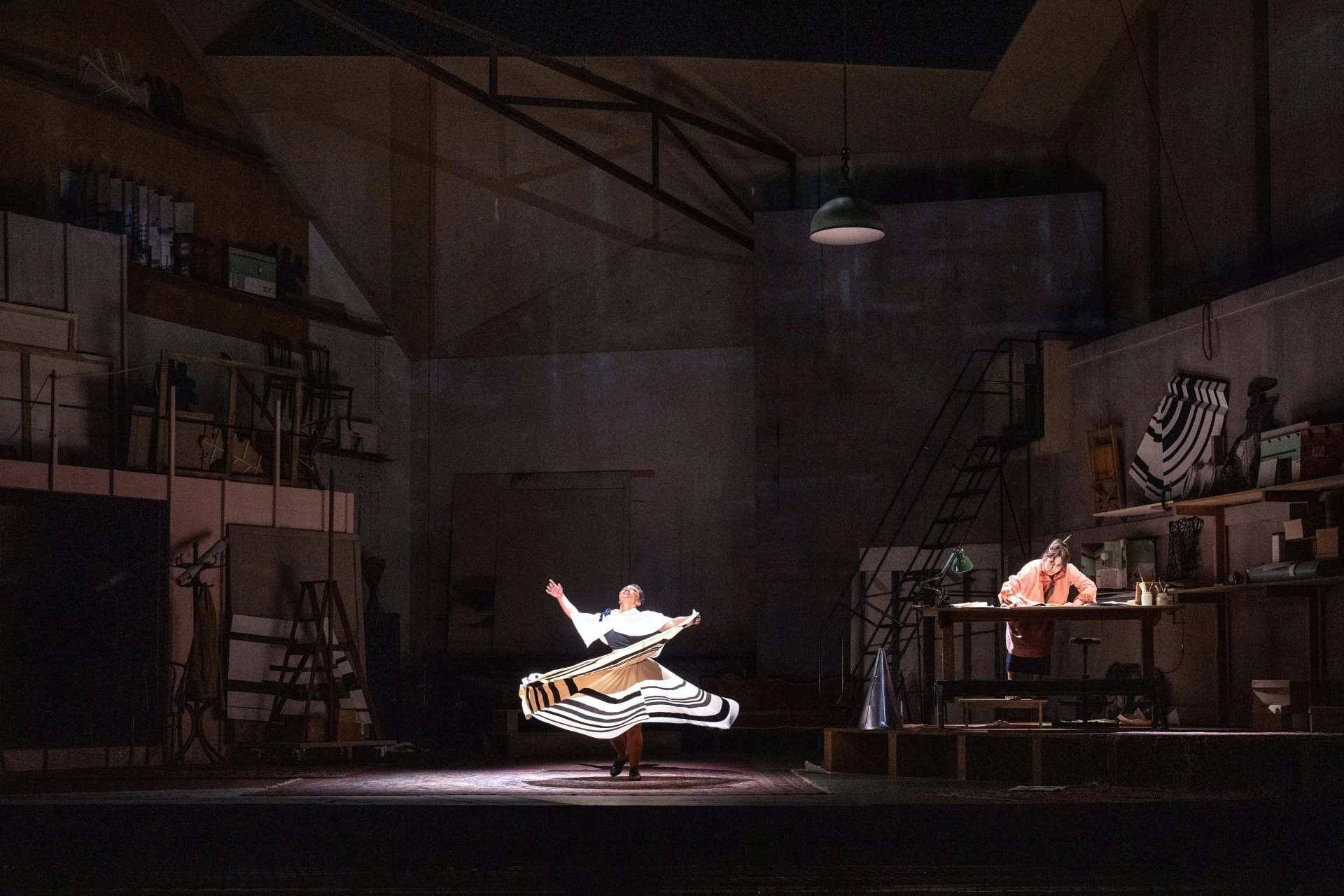
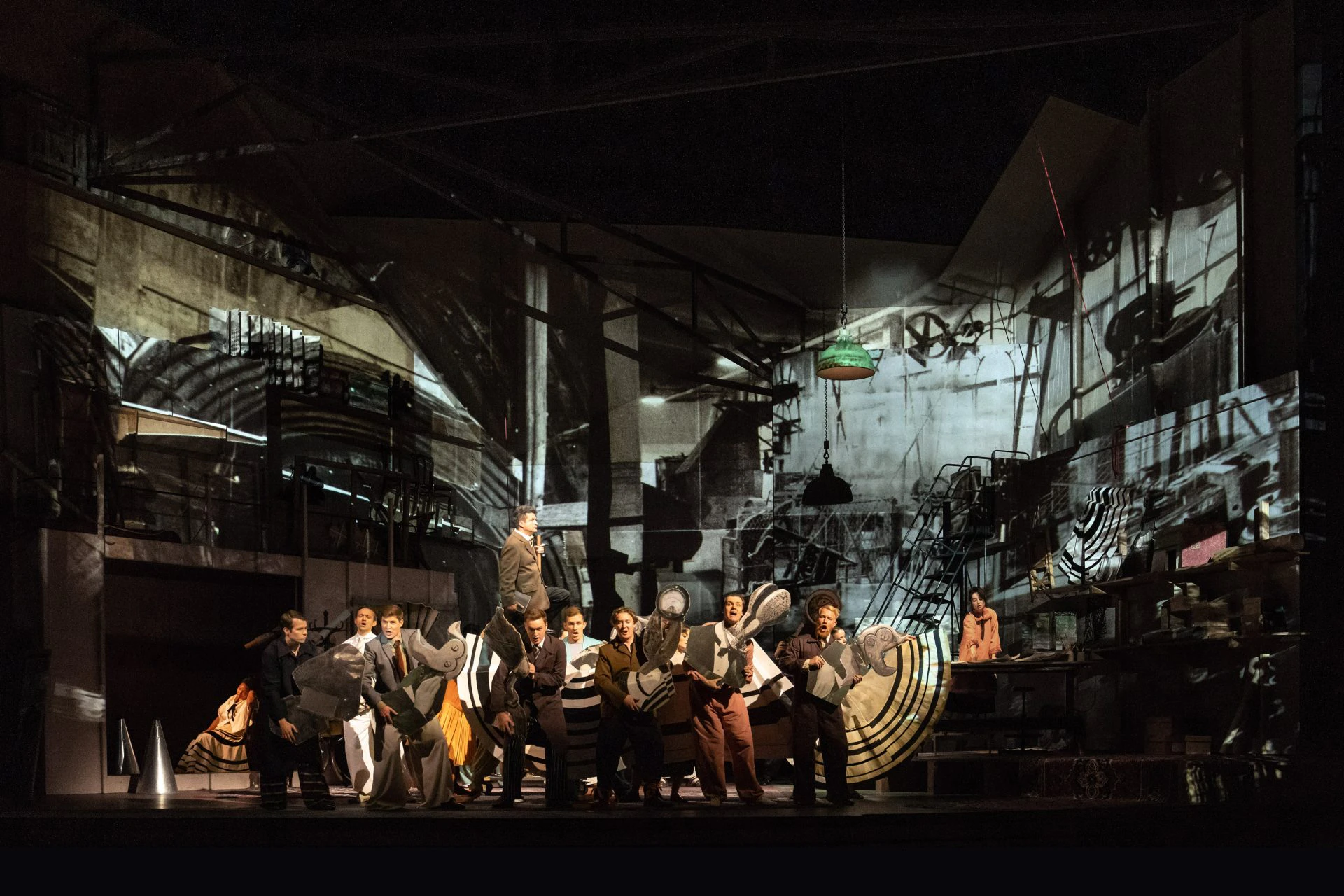
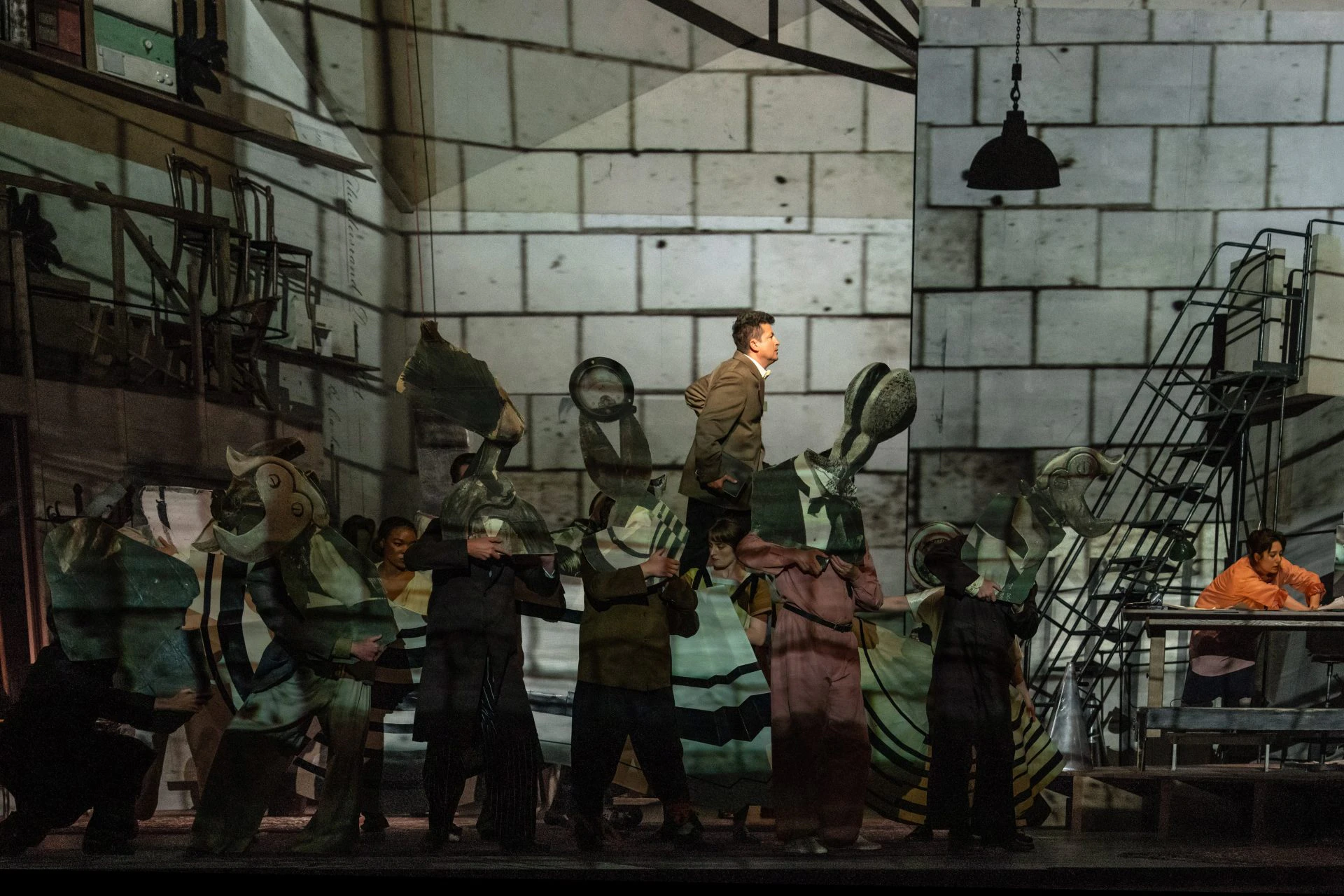
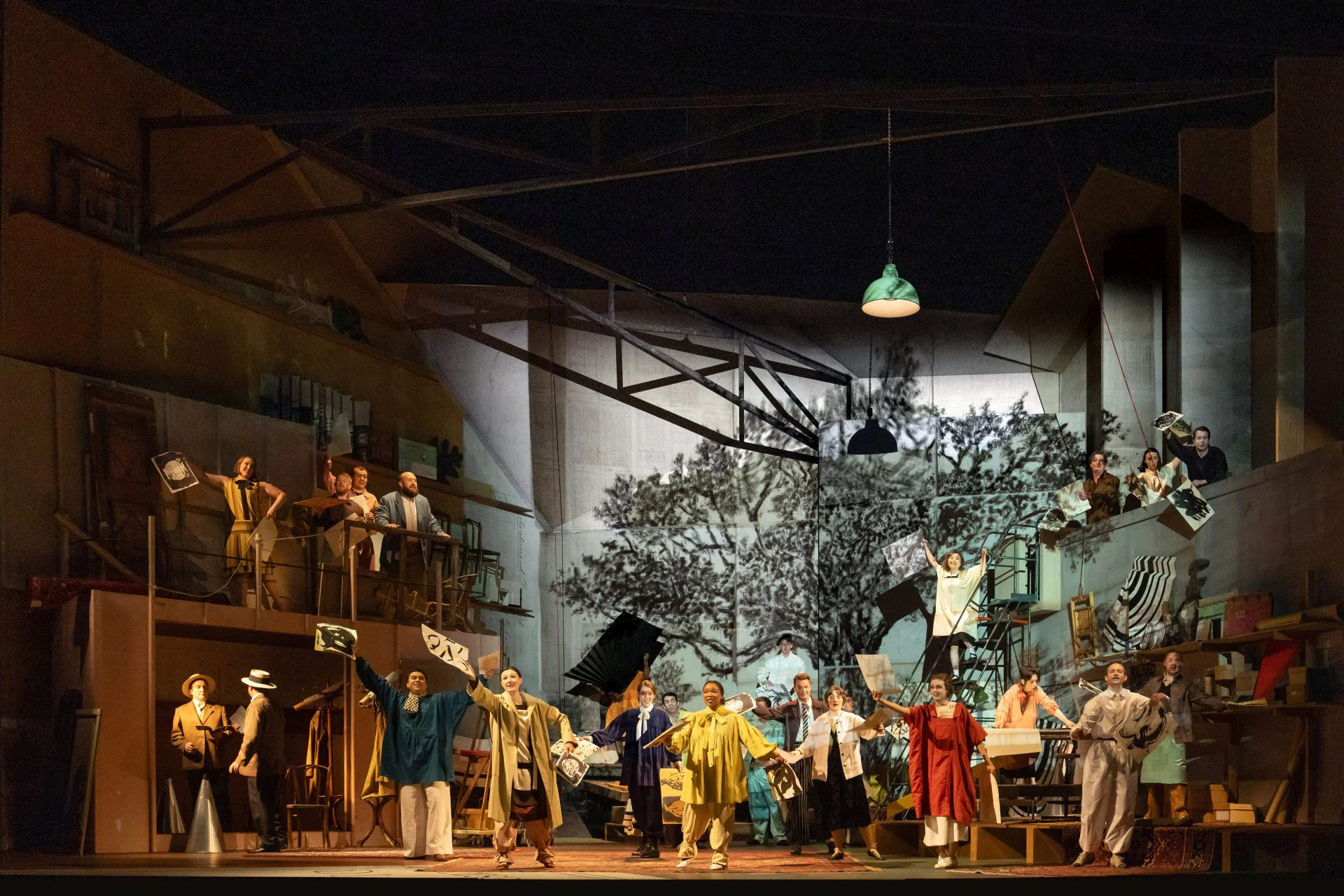
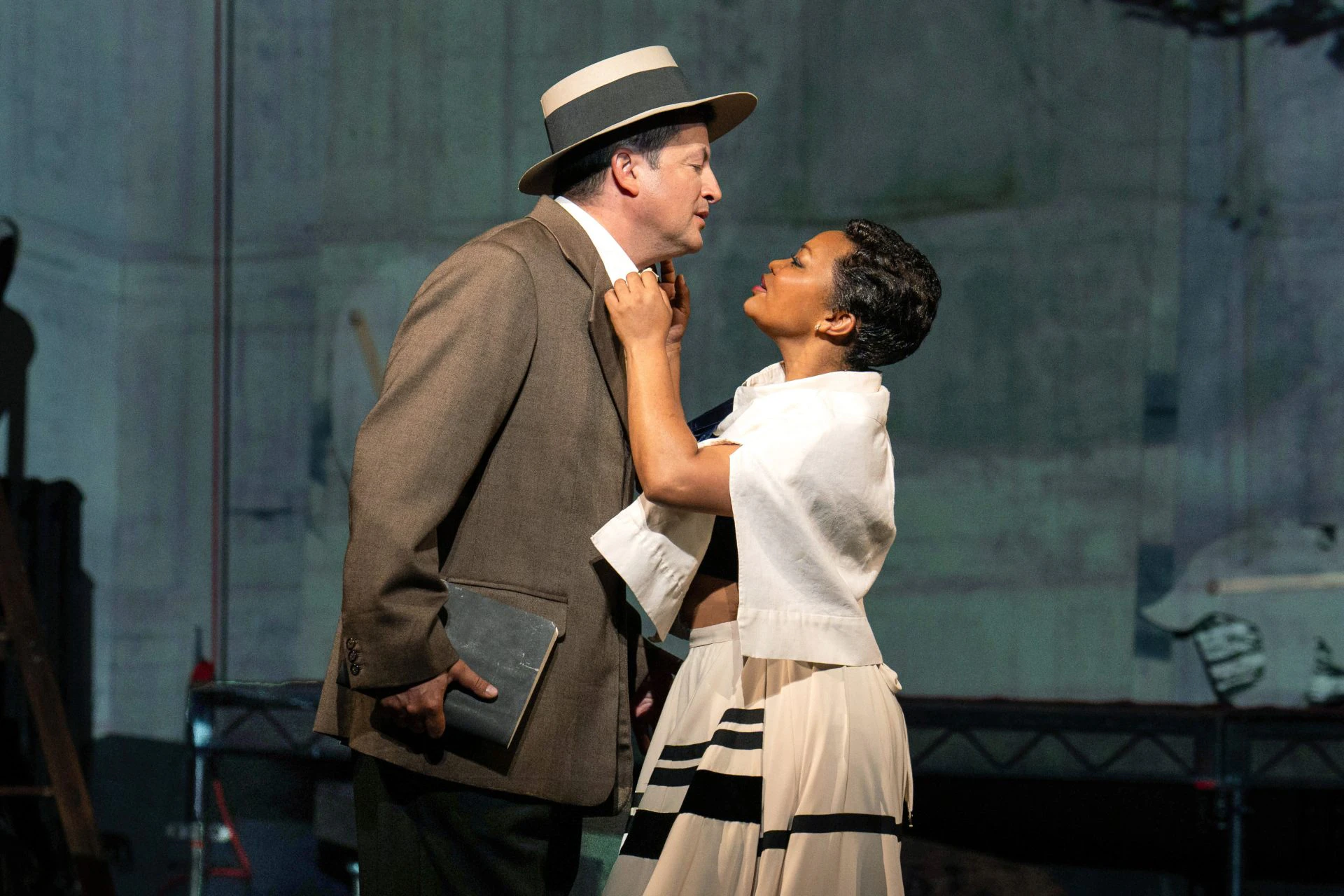
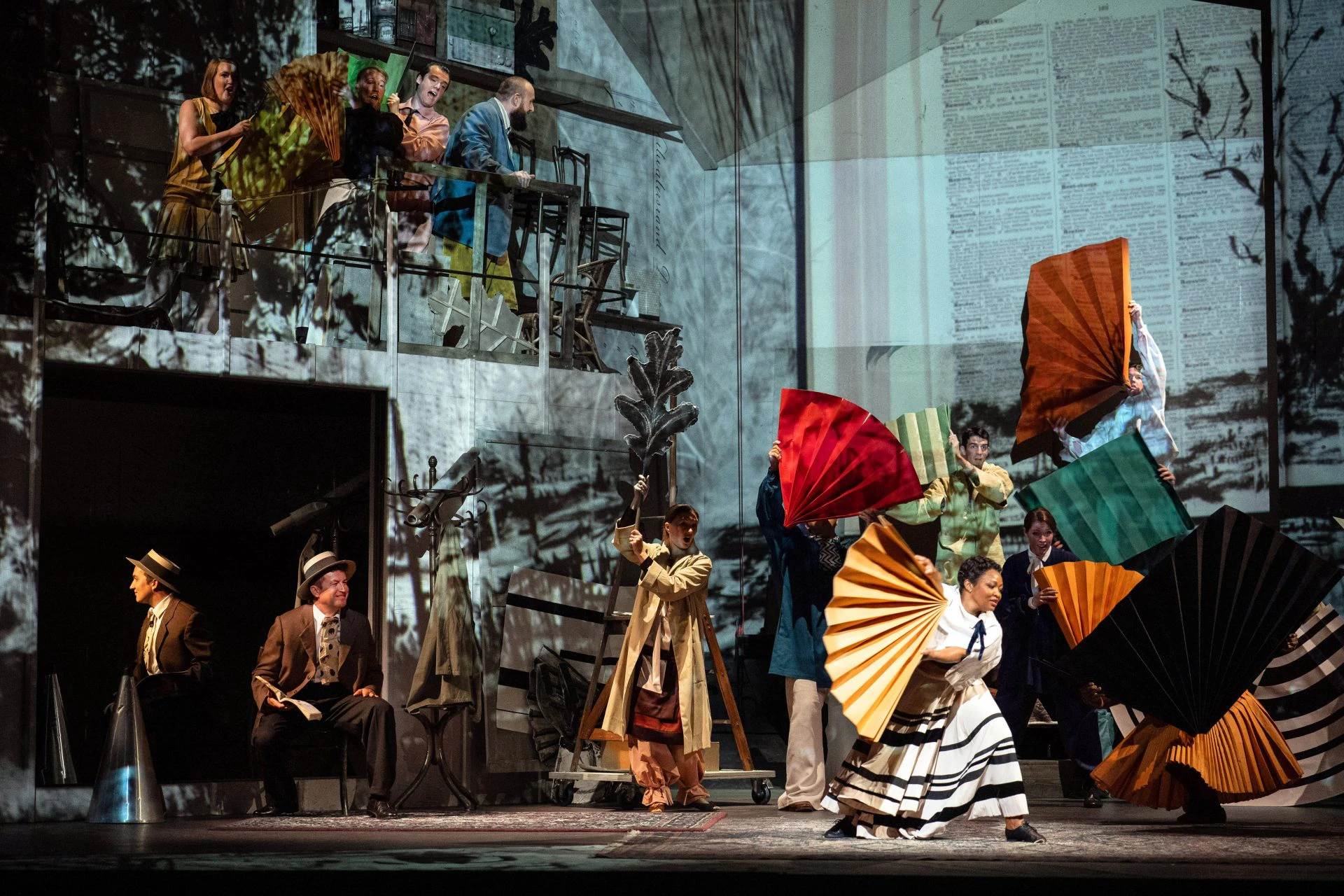
Photos by: Richard Hubert Smith
Synopsis
The spirit of music appears. She welcomes the audience, and promises to tell the story of Orpheus – a musician so talented that he could calm wild animals and even conquer death itself.
The fields of Thrace
A chorus of nymphs and shepherds gather to celebrate the wedding of musician Orpheus – no longer a disdainful, brooding bachelor, but an ardent lover – and his Euridice. The couple express their love for one another before the wedding party departs to the temple.
The fields of Thrace
Orpheus and his companions praise the beauties of nature. The shepherds ask him for a song, and he responds with a hymn to the surrounding landscape – the rocks and trees that once pitied his loneliness, but now rejoice in his new-found happiness. But Orpheus’s joy is cut short when a messenger enters with terrible news: Euridice is dead, bitten by a snake. All are overcome with shock and grief – Orpheus most of all. How, he asks, can he still live, when his beloved is dead? He resolves to journey to the Underworld; either he will return with his wife, or die himself.
The River Styx
Hope herself guides Orpheus to the gates of Hades with their ominous inscription: “Abandon hope, all ye that enter here”. If Orpheus is to enter Hades he must first persuade the ferryman Charon to take him across the river. At first Charon refuses; no living creature can enter the land of the dead. Orpheus continues to plead in song, accompanying himself on his lyre, telling the boatman his story. Charon remains unmoved, impervious to persuasion or pity. But realising his song has lulled Charon into sleep, Orpheus seizes his chance – stealing the boat and successfully crossing the river.
The Underworld
The gods of the Underworld have heard Orpheus’s song. Queen Proserpina is moved, and pleads with her husband Pluto to grant the musician’s wish. Pluto consents, with one condition: Orpheus must not look back on his return journey. If he does – even just a single glance – he will condemn Euridice to death forever. Orpheus enters, leading his wife, confident in the task ahead. But a sudden sound makes him anxious: what if the Furies are stealing Euridice away from him? He turns to look, and even as he sees his wife she begins to fade from view. Orpheus attempts to follow her, but is forced back. He may have conquered Hades, but has been defeated by love itself.
The Fields of Thrace
Back in Thrace once again, Orpheus abandons himself to grief. Echo appears and he rages at her; she can offer him no comfort. Euridice was the best of women, he declares; never again will Orpheus allow love to pierce his heart. Suddenly the god Apollo – Orpheus’s father – appears. He chastises his son for allowing himself to be consumed by loss. Why not ascend to the heavens instead, he asks, where Orpheus – now immortal – may forever see Euridice’s face in the sun and stars? Orpheus agrees, and they ascend together. The chorus bring the opera to a close: he who has braved hell, will reap eternal reward.
Videos


