Gender Pay Gap reporting
Find out what we’re already doing and what more we can do to make every role at Glyndebourne as attractive to as many people as possible.
It’s important to note that it is not the same as the requirement to pay men and women equal pay for equal work. We are confident we pay men and women equally for doing like for like work.
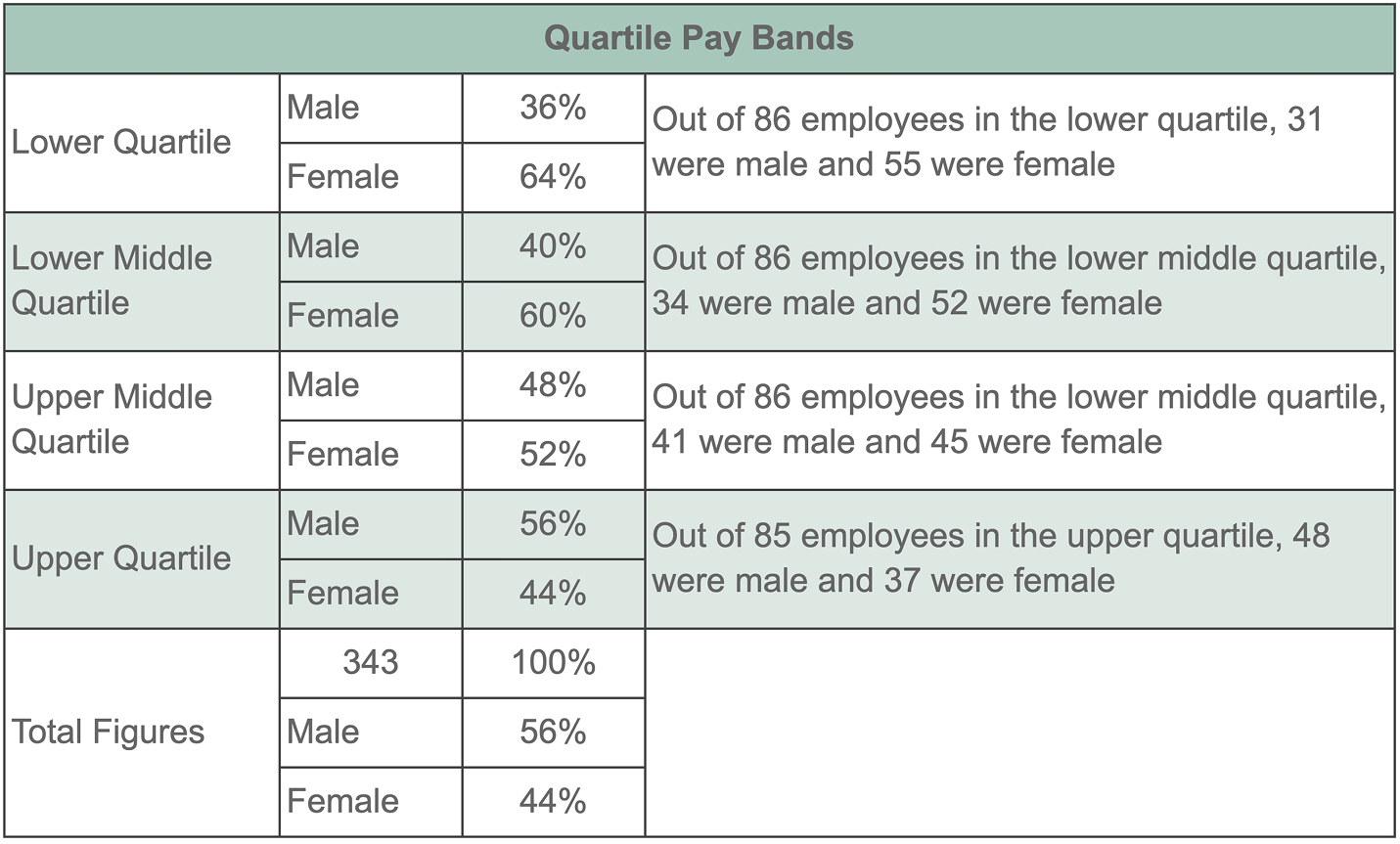
On 5 April 2025 Glyndebourne had 343 employees, compared with 327 on 5 April 2024.
Related links

The Gender Pay Gap measures the difference between the average hourly earnings of men and women across an organisation, expressed as a percentage. A positive figure indicates that men earn more on average, while a negative figure indicates that women earn more.
It is important to distinguish between Gender Pay and Equal Pay. Equal Pay is a legal requirement under the Equality Act 2010 and ensures that men and women receive the same pay for doing the same or equivalent work. The Gender Pay Gap, however, reflects the overall difference in average earnings across all roles within an organisation.
The mean pay gap compares the average hourly pay of all women with that of all men.
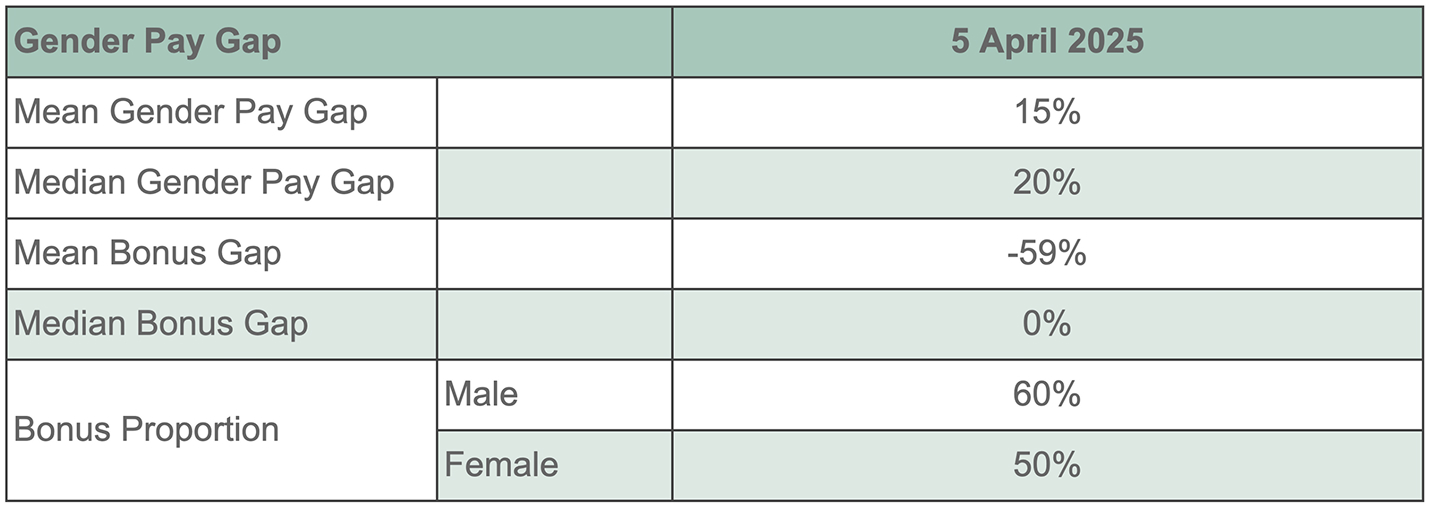
Our mean gender pay gap for 2024 is 15%, meaning that, on average, women earn 15% less per hour than men.
Our gender pay gap is influenced by several factors:
- Workforce composition: The nature of our productions can affect the gender balance within specific departments at any given time. For example, each opera has different requirements for the number of men and women in the chorus.
- Consistent pay structures: We apply standardised pay rates in key areas, to ensure fairness and equal pay for equal work, regardless of gender or other protected characteristics.
- Occupational distribution: Traditionally lower-paid roles tend to attract predominantly female applicants, especially in making departments such as Costume.
We remain committed to understanding these factors in greater depth and addressing imbalances.
We are taking a number of steps to reduce our gender pay gap and promote greater equality across the organisation:
- Inclusive recruitment practices: Continuing to ensure fair access to opportunities, including targeted measures to encourage underrepresented groups to apply for certain roles. Through these practices we have seen a significant increase in the number of females on our Stage crew, as one example.
- Family-friendly policies: Continuing to strengthen policies that support work-life balance. We have now significantly enhanced partner leave, doubling our entitlement.
- Training and awareness: Providing ongoing training around inclusion, including an expanded menopause awareness programme.
- Flexible working: Continually reviewing our flexible working arrangements, such as part-time roles and job sharing, to support employees with caring responsibilities and improve retention.
- Career development: Delivering leadership and supervisor training programmes to support progression into senior roles, with large cohorts of staff undertaking these.
- Fair access to entry-level roles: Paying all apprentices the National Living Wage, above the minimum apprentice rate, to widen access and attract diverse talent, alongside continually evaluating and broadening the apprenticeship offer.
- Sector collaboration: Regularly working with others across our sector to ensure fair, consistent, and competitive employment practices.