


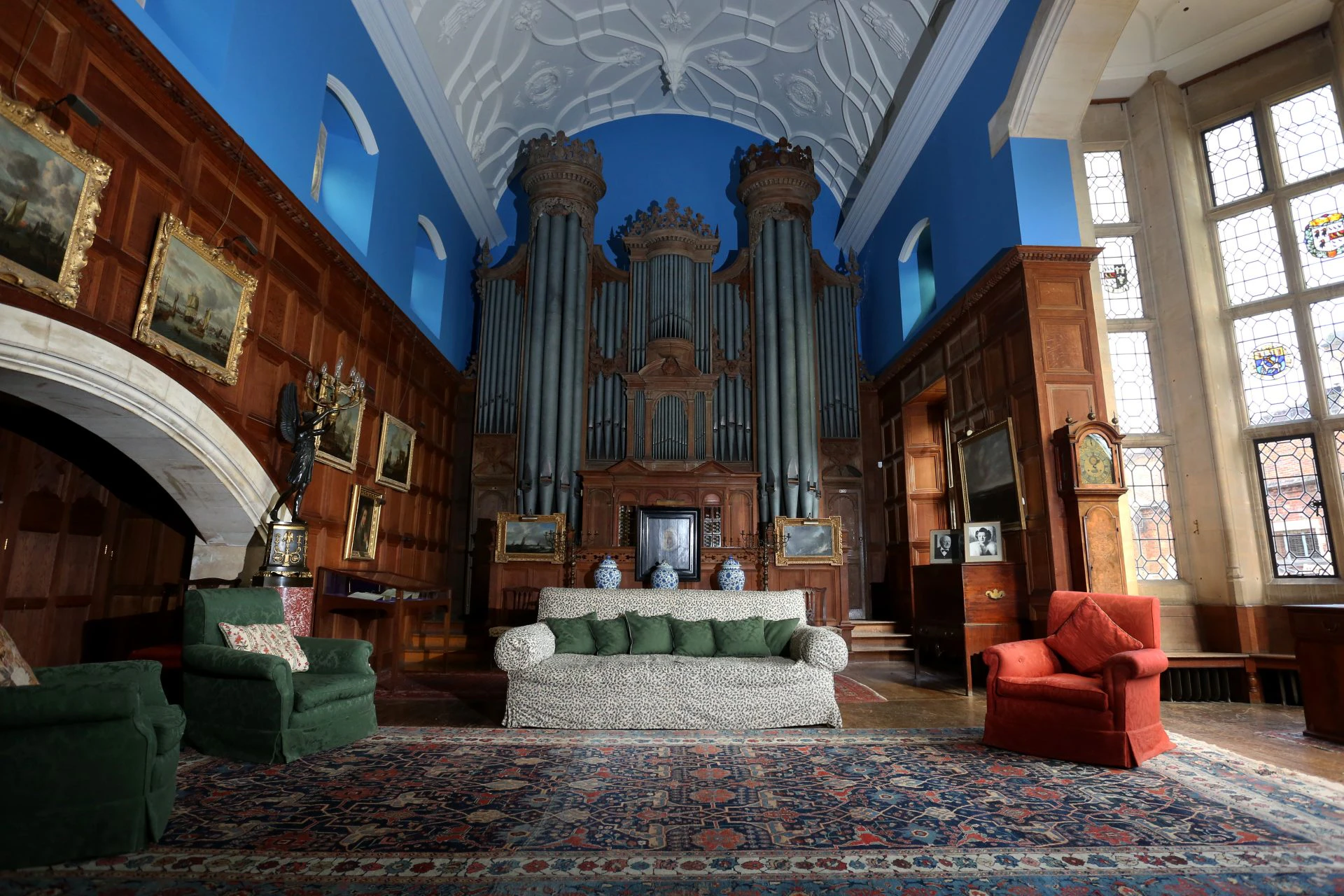
Organ Room
Our historic organ room is at the heart of Glyndebourne's story
Organ Room Sessions
Our Organ Room Sessions are intimate musical performances recorded in our historic Organ Room at the Glyndebourne. We invite legendary and up-and-coming opera singers, who are singing as part of our Festival and Autumn Seasons, to perform accompanied by a piano.
View the full Organ Room playlist here.
About the Organ Room
Completed in 1920, the Organ Room was built by John Christie as a dedicated space for musical performances. Christie selected Edmond Warre as his architect, Ringmer Building Works as constructors and Dr Charles Harford Lloyd as his organ advisor. Constructed from traditional Bath stone and red brick, the Organ Room became a place for concerts and operatic performances, which were largely attended by local people.
Built by William Hill & Son & Norman & Beard Ltd. in collaboration with John Christie, the organ was finished in late 1920, with subsequent alterations and improvements continuing for several years afterwards. Its grand scale, more befitting a cathedral or large church, proved almost too powerful for the room; its initial test even dislodged a large piece of plaster from the ceiling.
Throughout its history, the Organ Room has hosted numerous world-class musicians for rehearsals and recitals. Notably, Glyndebourne’s co-founder, Audrey Mildmay, first met Christie in this very space in December 1930 while performing with the Carl Rosa Company. They married six months later, in June 1931.
With the extension of the proscenium arch in the Old Theatre during the 1950s, the organ was dismantled to create the necessary additional space. All that remains today is the organ’s outer shell.
Rudolf Bing, General Manager, Glyndebourne, 1948

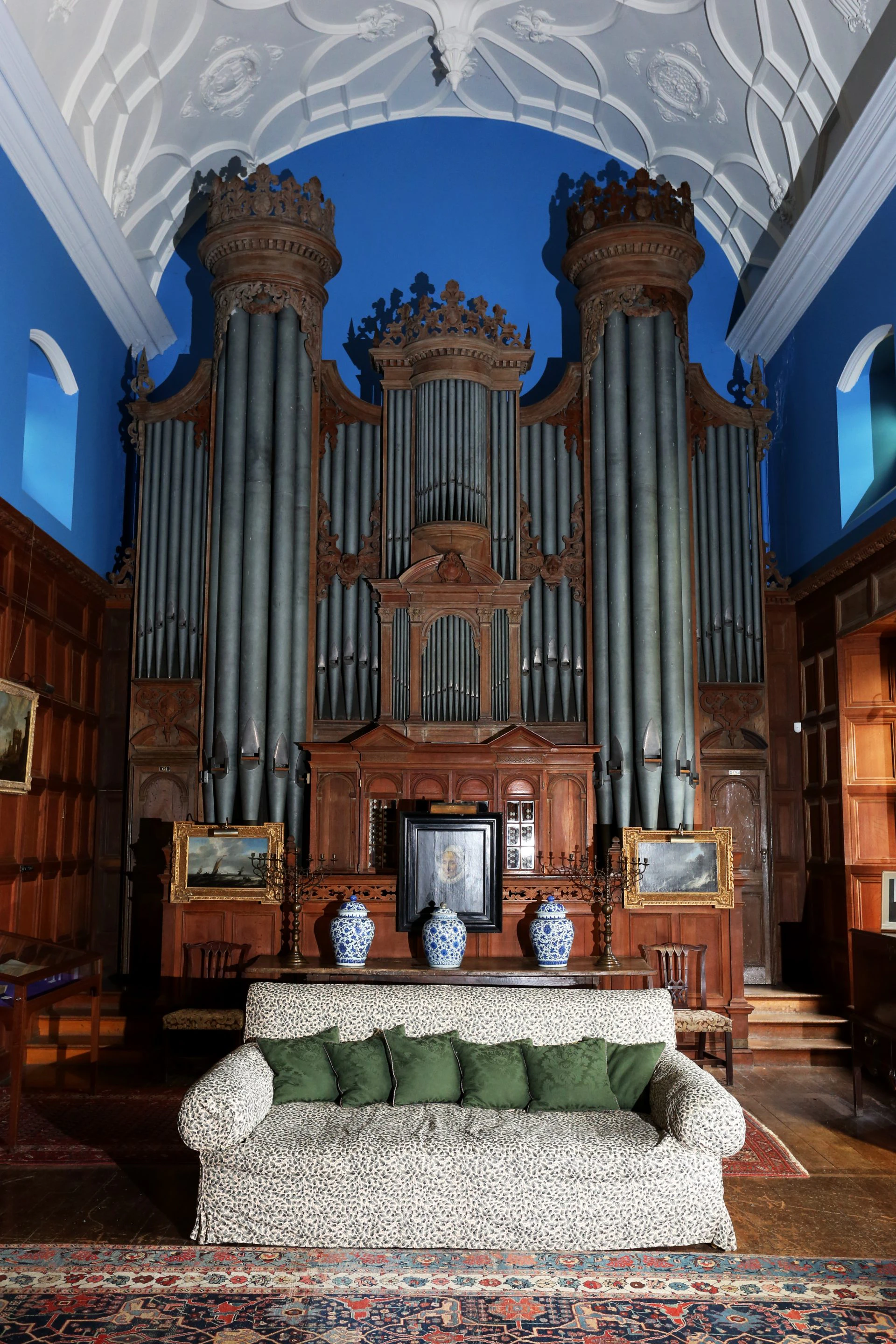
Organ Room highlights
- Portrait of Wolfgang Amadeus Mozart, aged 14, c.1770 by Louis Gabriel Blanchet (1705-72)
- Bust of Glyndebourne’s first Music Director, Fritz Busch (1890-1951)
- Photographs of our founders, John Christie and Audrey Mildmay.
- The paintings on display in the Organ Room are from the private collection of the Christie Family, and include examples of Dutch marine paintings and 17th-century portraits.
- A pair of candelabras by André-Antoine Ravrio (1759-1814). Our Props department re-created replicas of these pieces, which have been used in stage productions of Pelléas et Mélisande (2018) and The Merry Widow (2024). A second replica pair were also created for The Moderate Soprano (2015) by David Hare, a historical play detailing John Christie and Audrey Mildmay’s marriage and the founding of the Glyndebourne Festival.
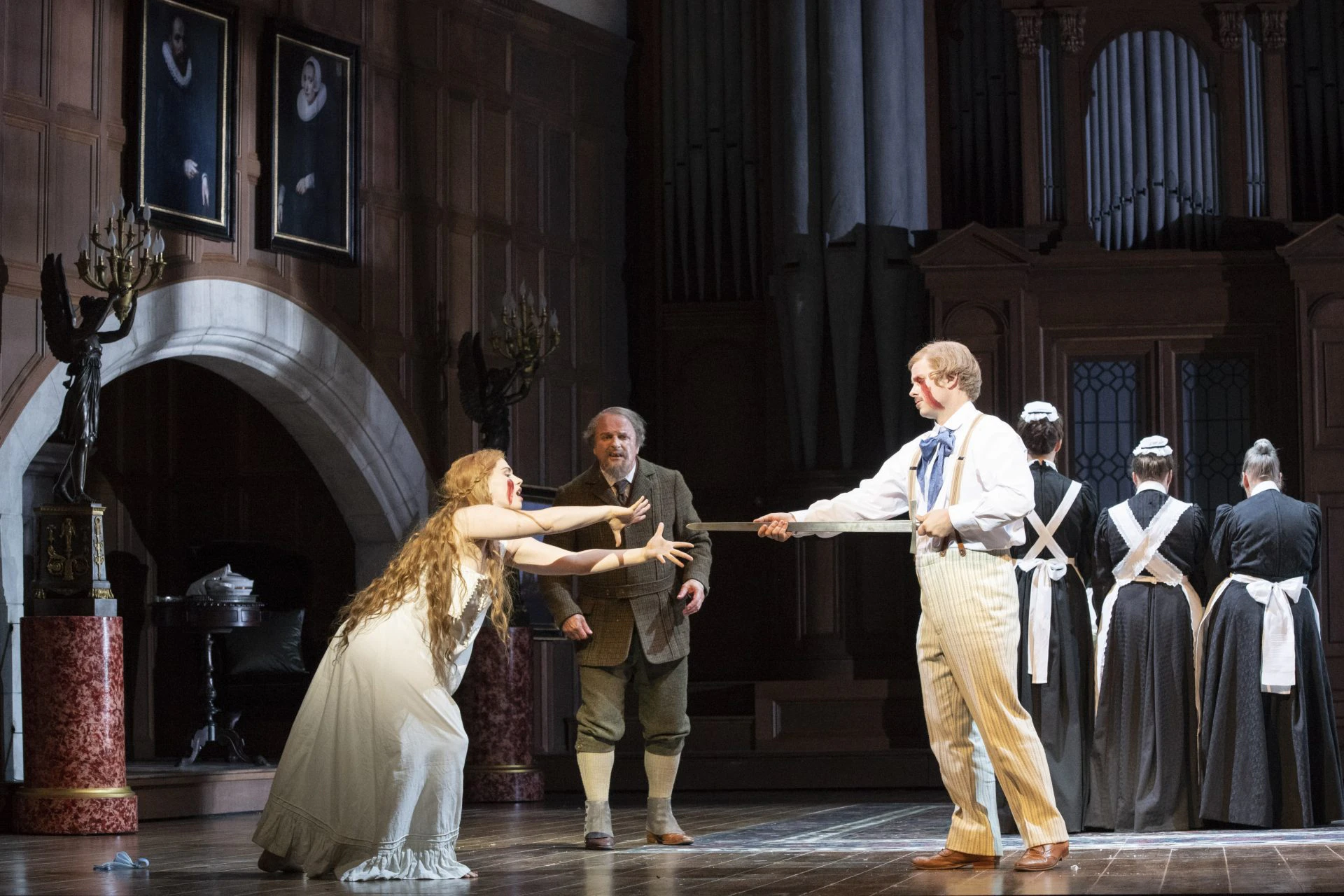
Pelléas et Mélisande (2018). Photo by Richard Hubert Smith
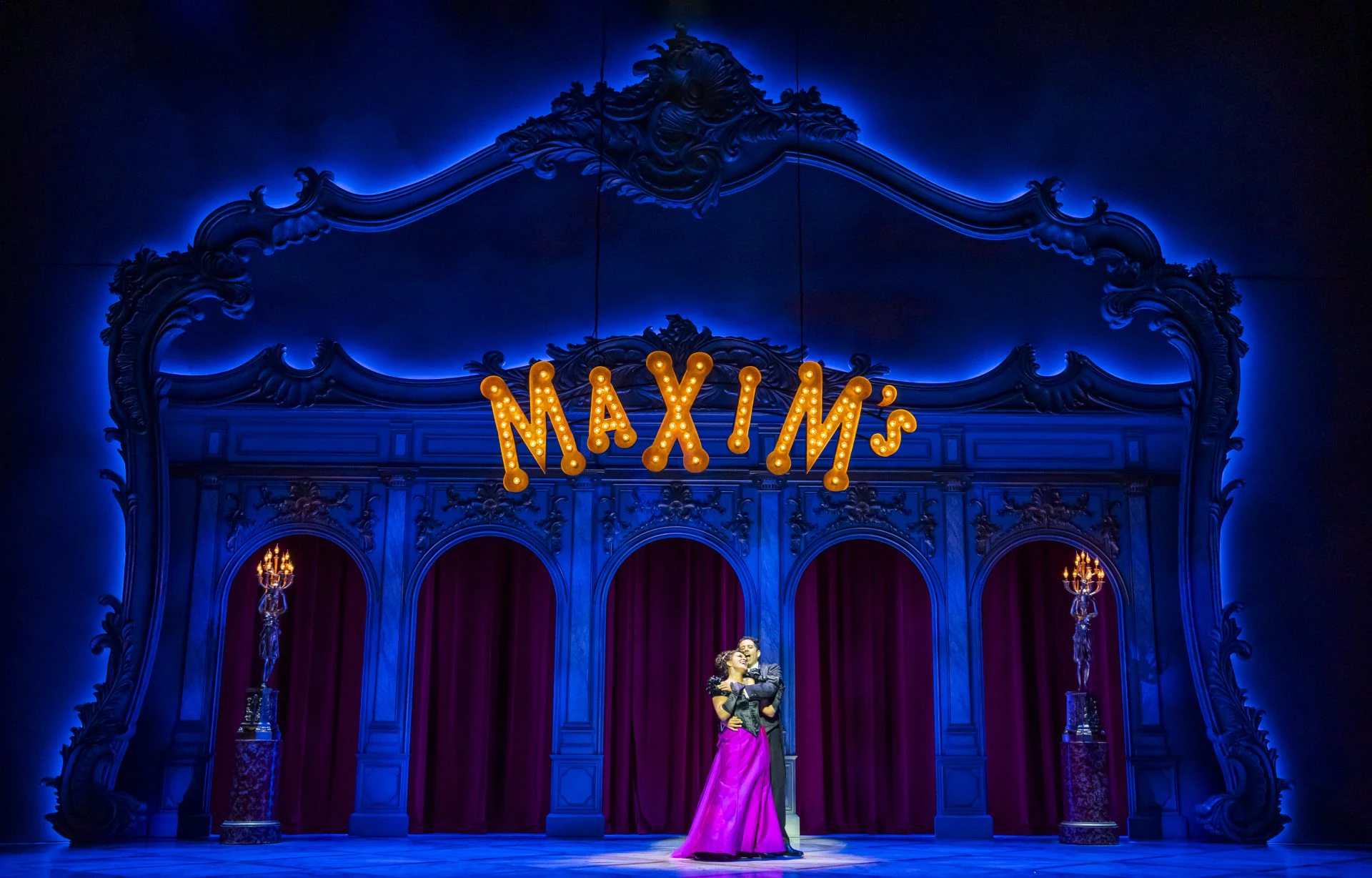
The Merry Widow (Festival 2024). Photo by Tristram Kenton


