


Tosca
Explore Puccini's Tosca
Tosca at a glance
Giacomo Puccini
Italian
Tragic thriller
Festival 2026
Festival 2026
Who wrote Tosca?
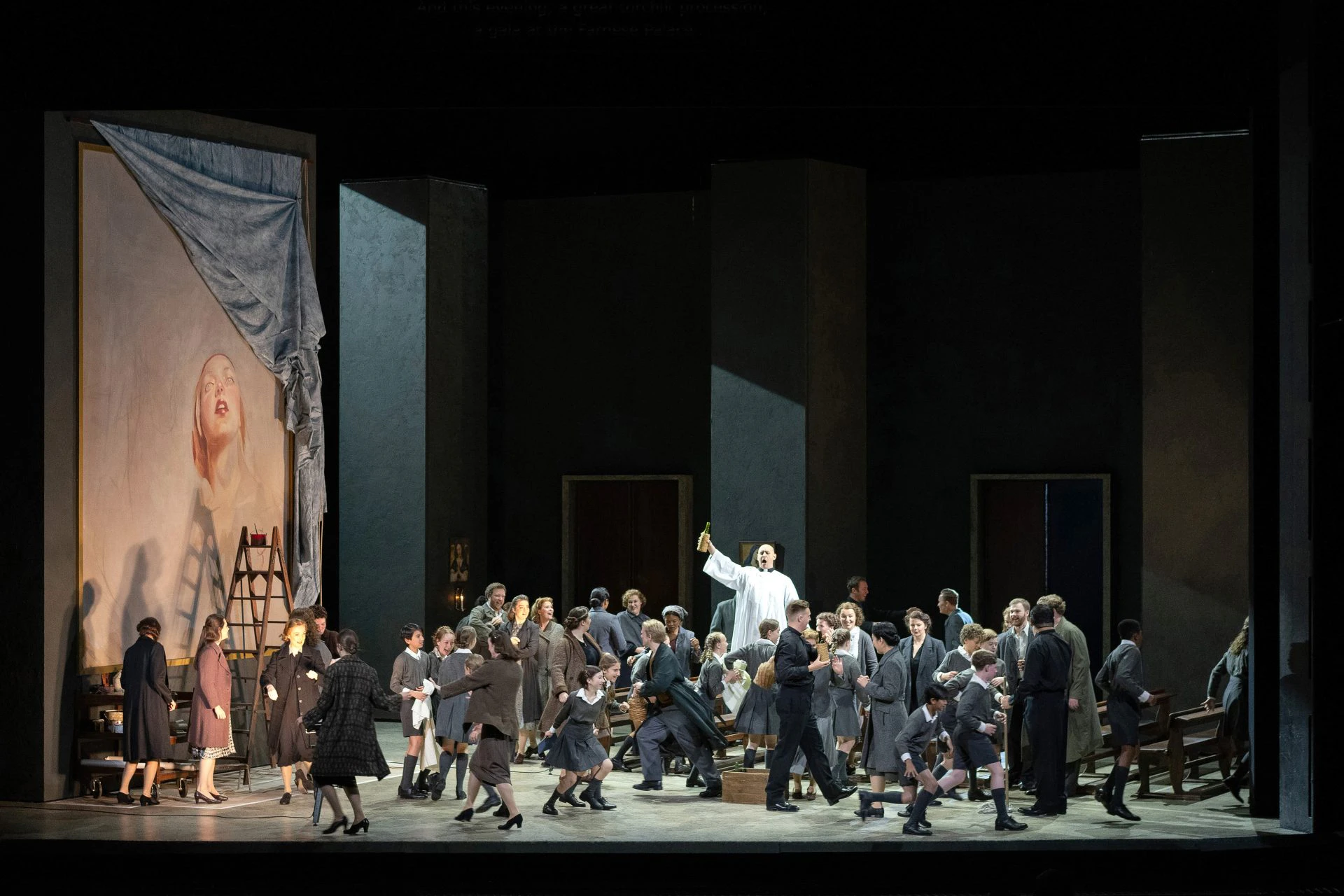
The music for Tosca was written by Giacomo Puccini, with libretto by Luigi Illica and Giuseppe Giacosa. It was first performed in 1900, in Rome, Italy. Glyndebourne’s first ever production of Puccini’s Tosca was performed in Festival 2026, in a staging by Ted Huffman.
A brief introduction
All Rome trembles under the iron fist of Scarpia, the sadistic chief of police. He lusts for the beautiful diva Tosca, but she defies him – risking everything for love. Her fiercely-fought battle ends in betrayal and tragedy; in a corrupt world, love is no match for tyranny.
Tosca is a political thriller – a story painted in black and white and blood. Seducing audiences since its 1900 premiere, Puccini’s opera is all action and emotion, a musical melodrama that sweeps you along as it plunges inexorably towards tragedy. Romance meets revenge in one of the opera’s most passionate scores.
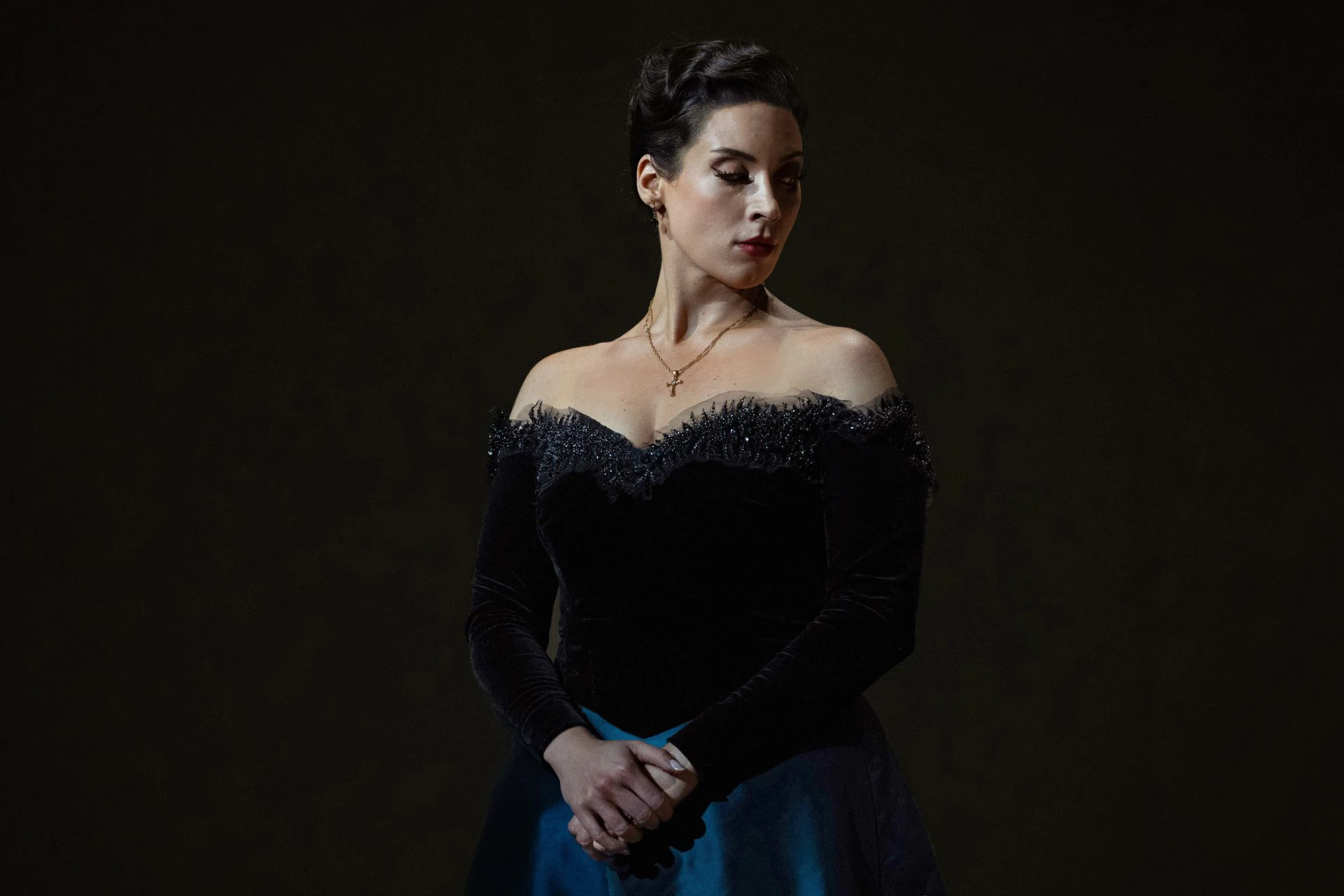
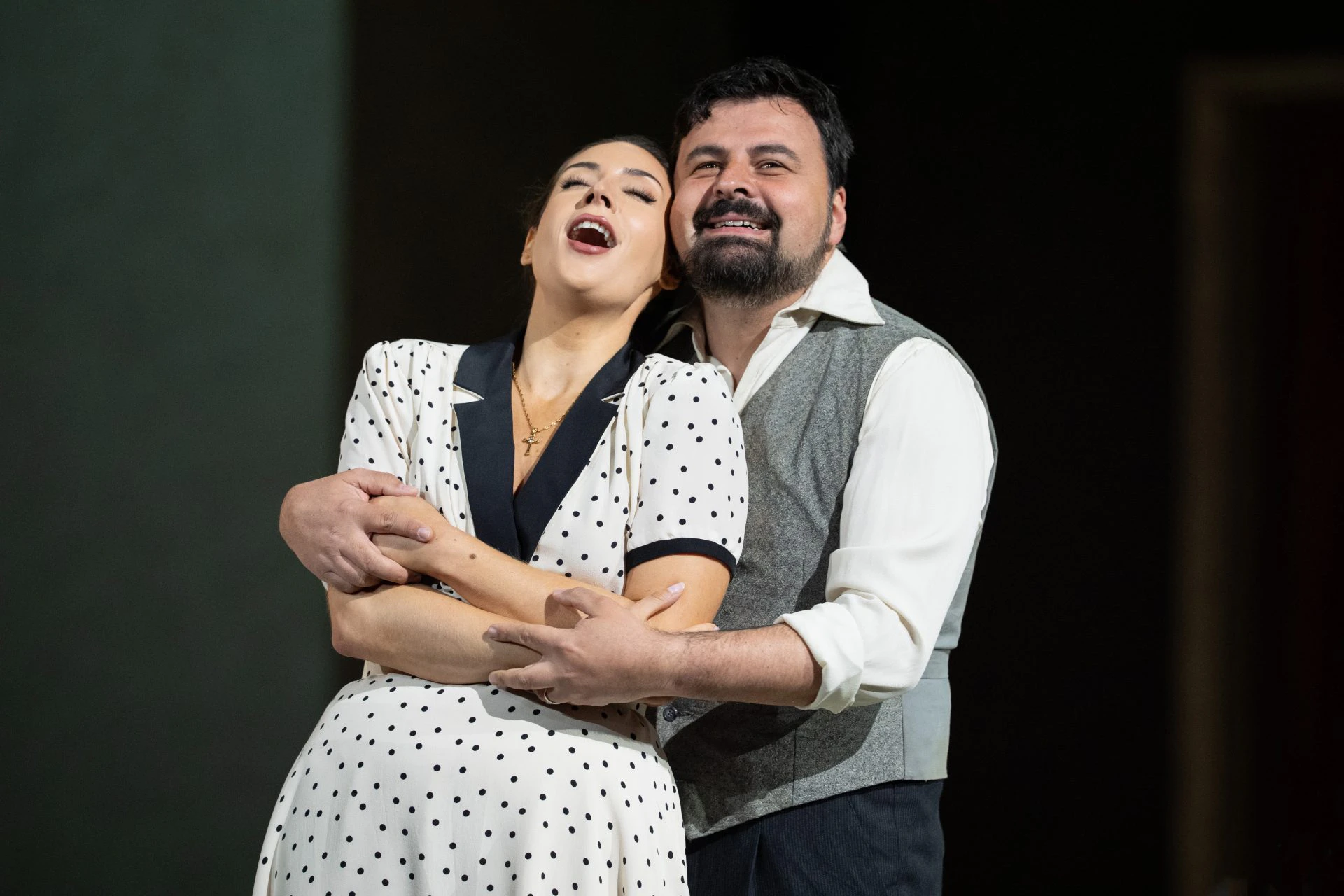
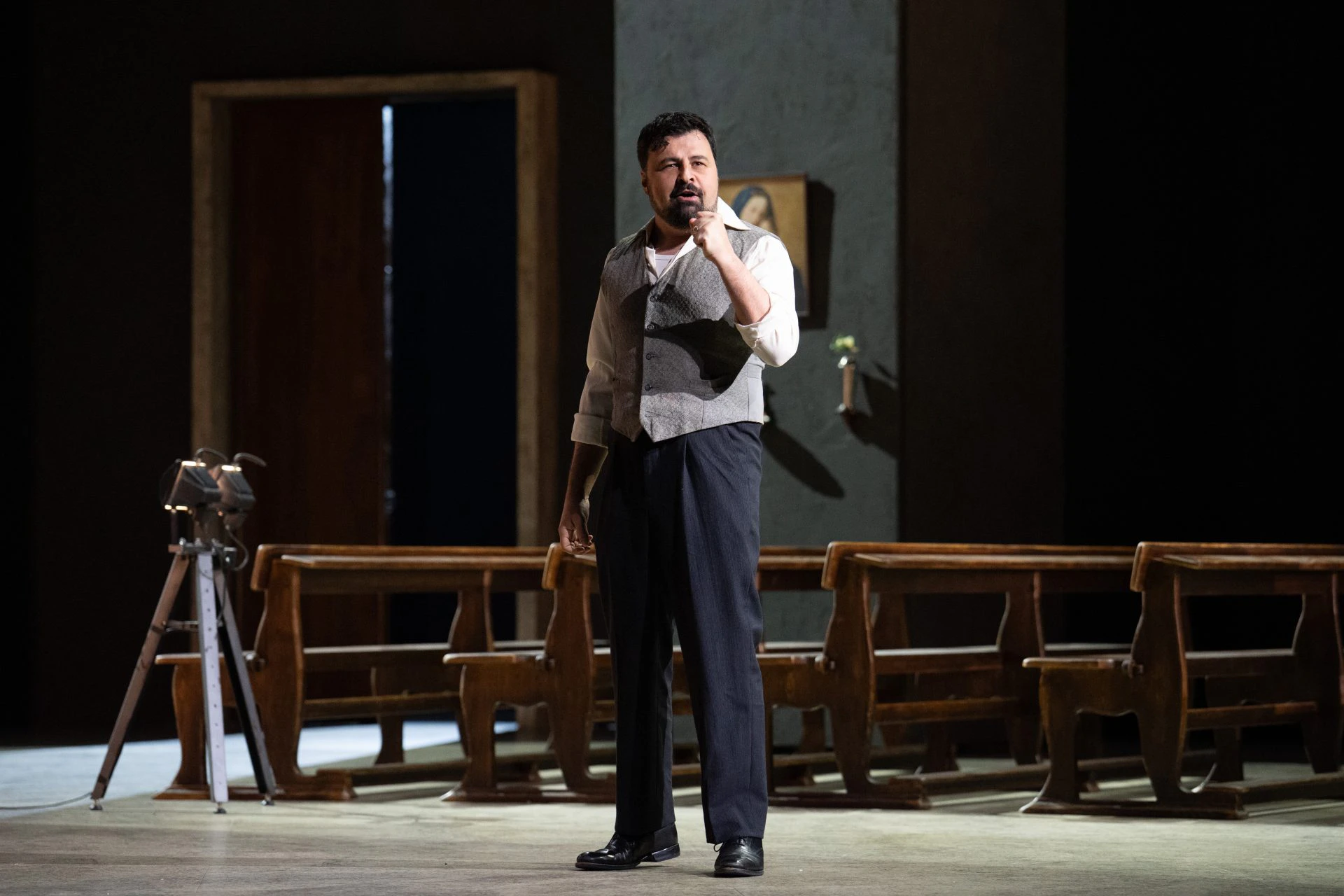
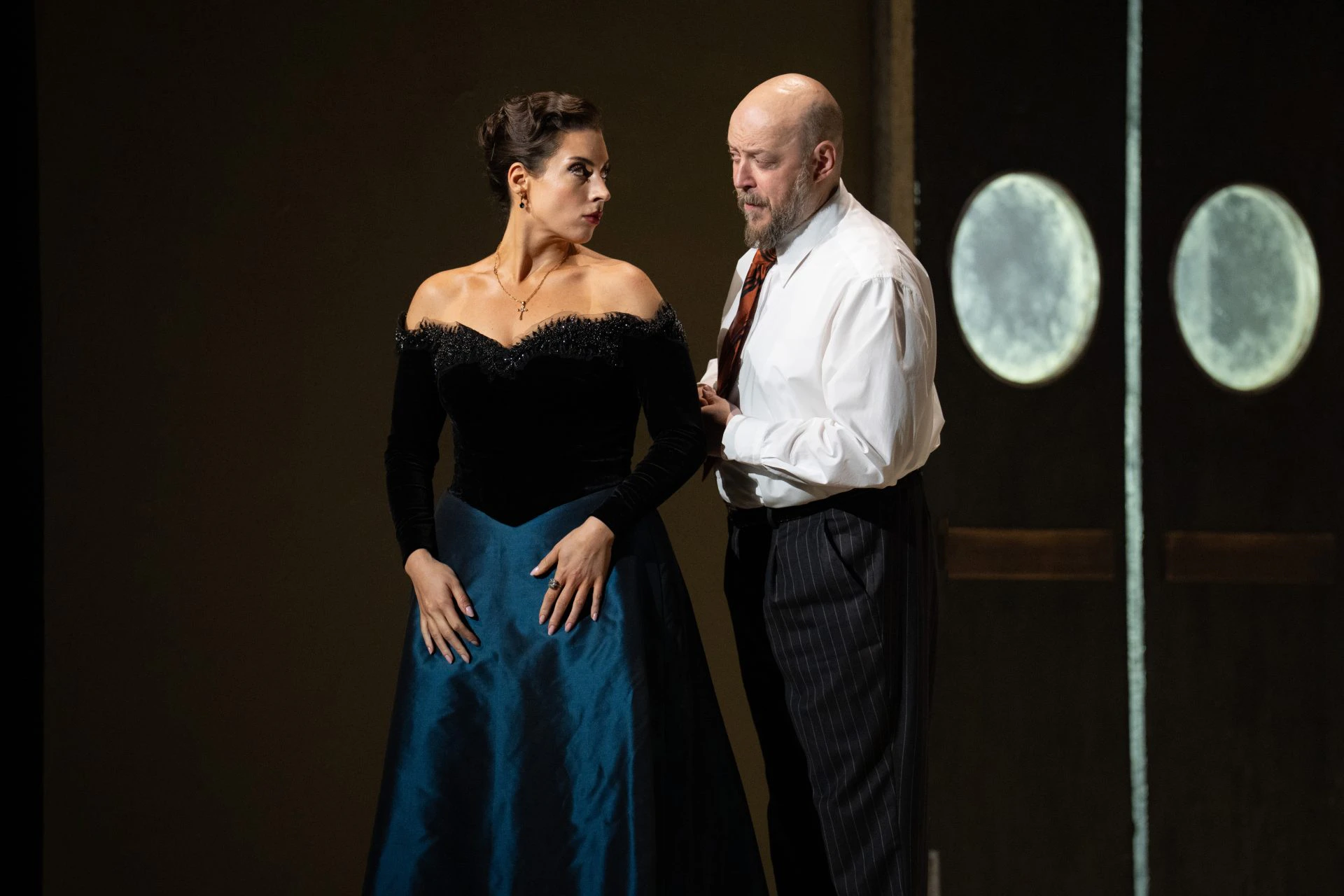
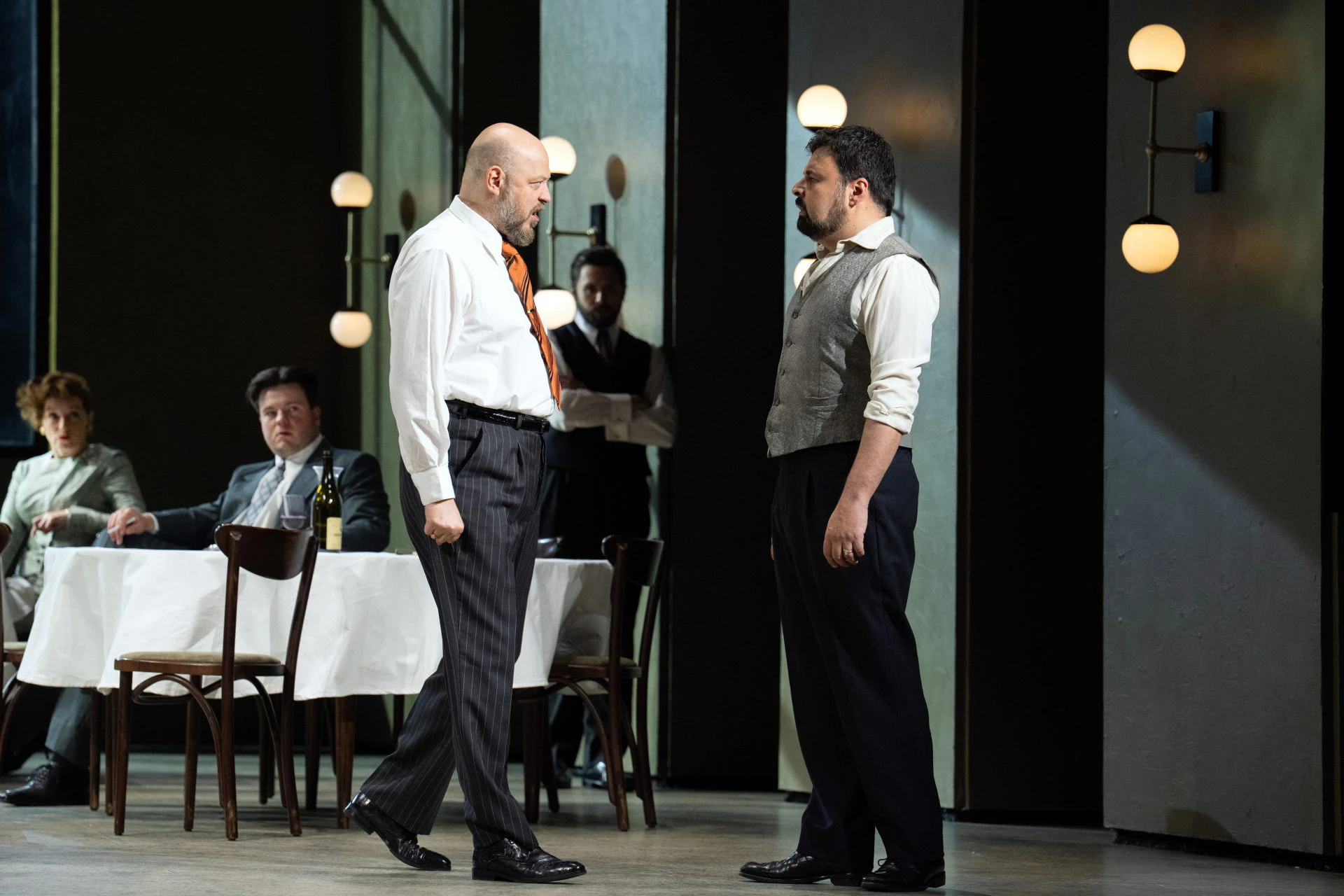
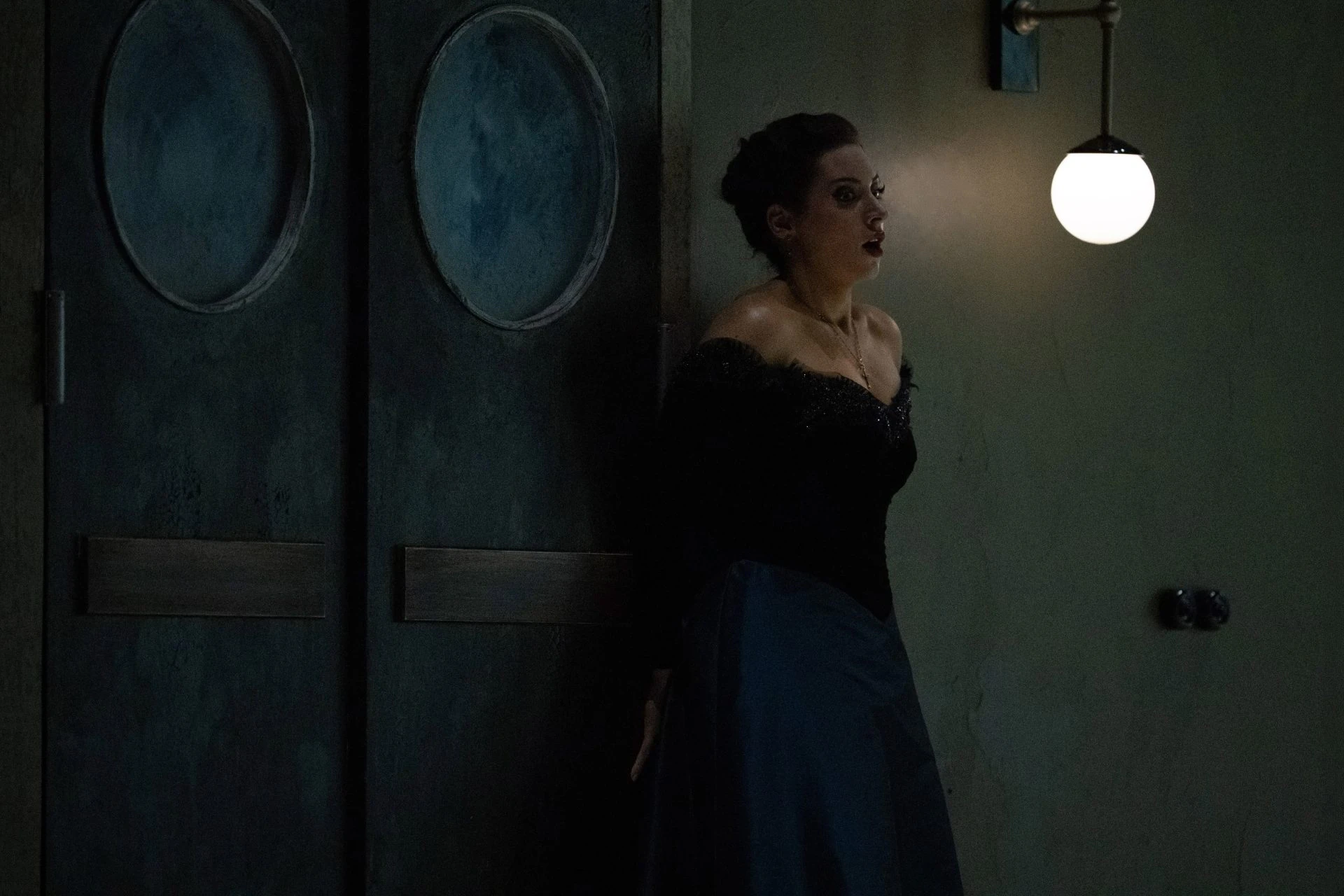
Photos by: Richard Hubert Smith
Synopsis
A church in Rome
Cesare Angelotti, former Roman consul and now political prisoner, bursts into the empty sanctuary. On the run, he desperately searches for the key his sister has hidden, and conceals himself in the family chapel. Unaware of the concealed figure, a sacristan tidies the church, and painter Mario Cavaradossi continues work on his painting of Mary Magdalene, who bears a striking resemblance to a beautiful woman who regularly visits the church…
With the sacristan gone, Angelotti reveals himself, throwing himself on the painter’s mercy. Cavaradossi promises help, but when his lover – the celebrated singer Floria Tosca – arrives, he urges Angelotti to hide again. Ever jealous, Tosca suspects Cavaradossi of concealing another woman. Her suspicions only intensify when she notices the painting. Cavaradossi reassures her of his love and – mollified – she departs. A cannon is heard; Angelotti’s escape has been discovered. Cavaradossi instructs Angelotti to hide in the painter’s own villa, and they leave together.
Baron Scarpia, Rome’s Chief of Police, enters the church, searching for Angelotti. When he finds a fan printed with the prisoner’s family crest he quickly fills in the blanks. Using his discovery to fuel Tosca’s jealousy, he instructs his men to follow her, knowing that she will lead his men straight to their quarry. The church fills as choristers, clergy and parishioners gather for service. A Te Deum is heard, but Scarpia intones his own credo: to destroy all who oppose him and bend the beautiful Tosca to his will.
Rooms in the Palazzo Farnese
Evening has fallen. Scarpia entertains his guests. Earlier his men searched Cavaradossi’s villa; they didn’t find Angelotti, but arrested the painter, who now defies Scarpia’s interrogation. Scarpia summons Tosca. Cavaradossi urges her silence, but hearing her lover’s torture she reveals Angelotti’s hiding place. Cavaradossi remains defiant, determined to oppose tyranny – whatever the cost. Scarpia orders his execution.
Left alone with Tosca, Scarpia’s line of attack changes: if Tosca will give herself to him, Scarpia will free her lover. Tosca is appalled, faced with an impossible choice. Desperate, she agrees, negotiating the conditions of Cavaradossi’s release following his now mock-execution, and the lovers’ subsequent escape from Rome. Scarpia signs a letter of safe-conduct, before forcing himself on Tosca. Seizing a knife, she stabs him. Taking the safe-conduct pass she leaves the Palazzo.
A field next to the Castel Sant’Angelo
Cavaradossi awaits the dawn and his imminent execution. Bribing a jailer for pen and paper, he writes Tosca a letter of farewell. Tosca suddenly appears and quickly explains all that has passed. They indulge a fantasy of freedom and a future together, before the guards arrive for the execution. Tosca tells Cavaradossi that he must fake his death convincingly, falling down after shots are fired – ‘like Tosca on the stage’. But when she approaches after the execution she realises that this has been no pantomime: Scarpia deceived her, and Cavaradossi is dead. Guards approach to arrest her, but rather than submit to capture she runs to her death.
Videos


