


Ariadne auf Naxos
Explore Richard Strauss’s Ariadne auf Naxos
Ariadne auf Naxos at a glance
Richard Strauss
Festival 1953
German
Festival 2026
Romantic comedy
Who wrote Ariadne auf Naxos?
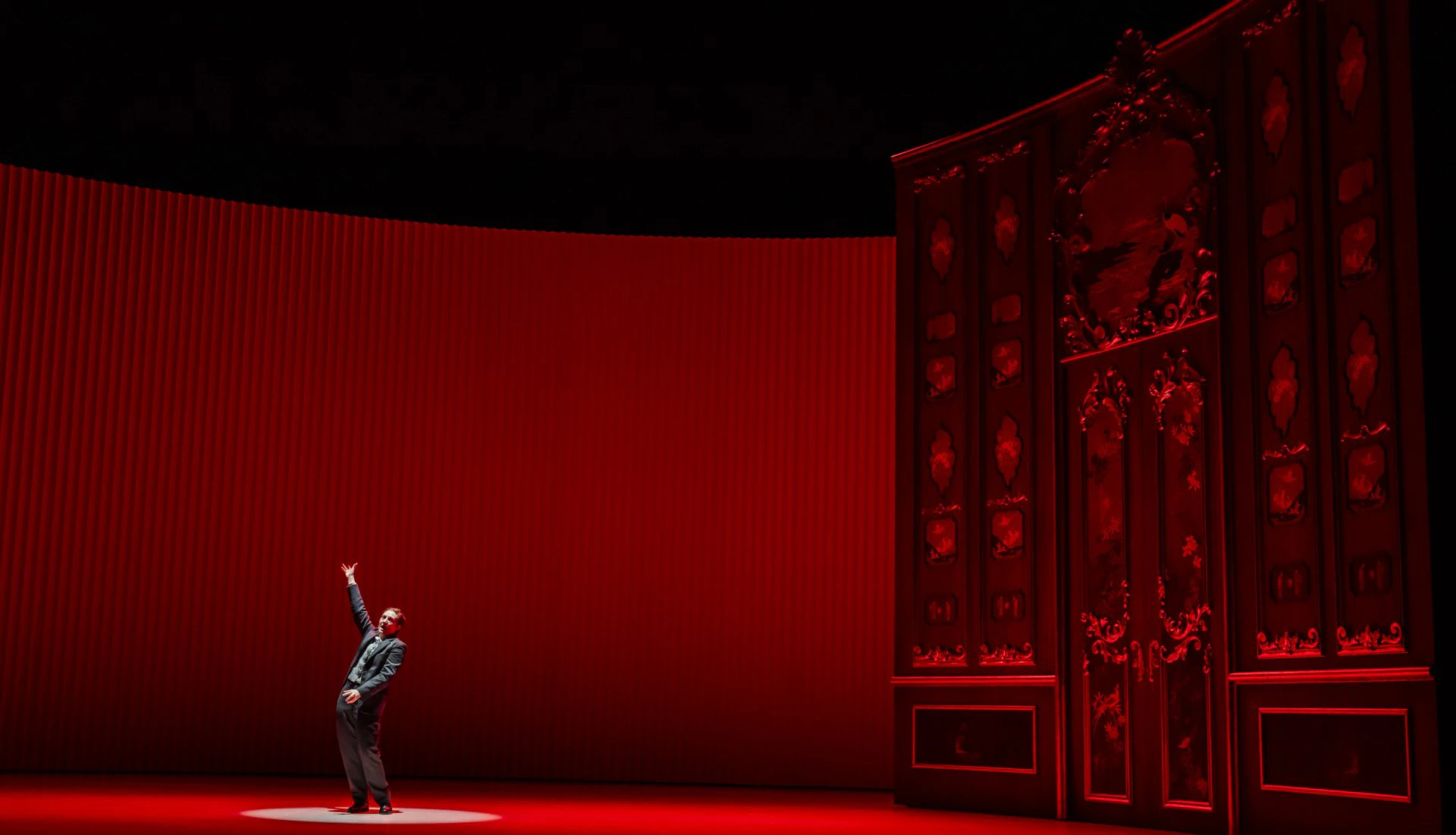
The music for Ariadne auf Naxos was written by Richard Strauss, with libretto by Hugo von Hofmannsthal. It was first performed in 1916, at the Vienna Court Opera. Ariadne auf Naxos was firs performed at Glyndebourne in 1953, and has been in our repertoire ever since. The current Glyndebourne production directed by Laurent Pelly, premiered at Festival 2026.
A brief introduction
The richest man in Vienna has commissioned an evening’s entertainment: a comic burlesque, and an opera by a high-minded young composer based on the Greek myth of Ariadne. But when the two performances are forced to take place simultaneously, high and low art meet with unexpected consequences.
Opposites collide in Strauss’s Ariadne auf Naxos: both a comedy and a sweeping drama; a historical pastiche and a modern opera; a love story and an interrogation of art itself. All are deftly interwoven in this gorgeous opera-within-an-opera that tests music’s capacity to express human life in all its contradictions and complexity.
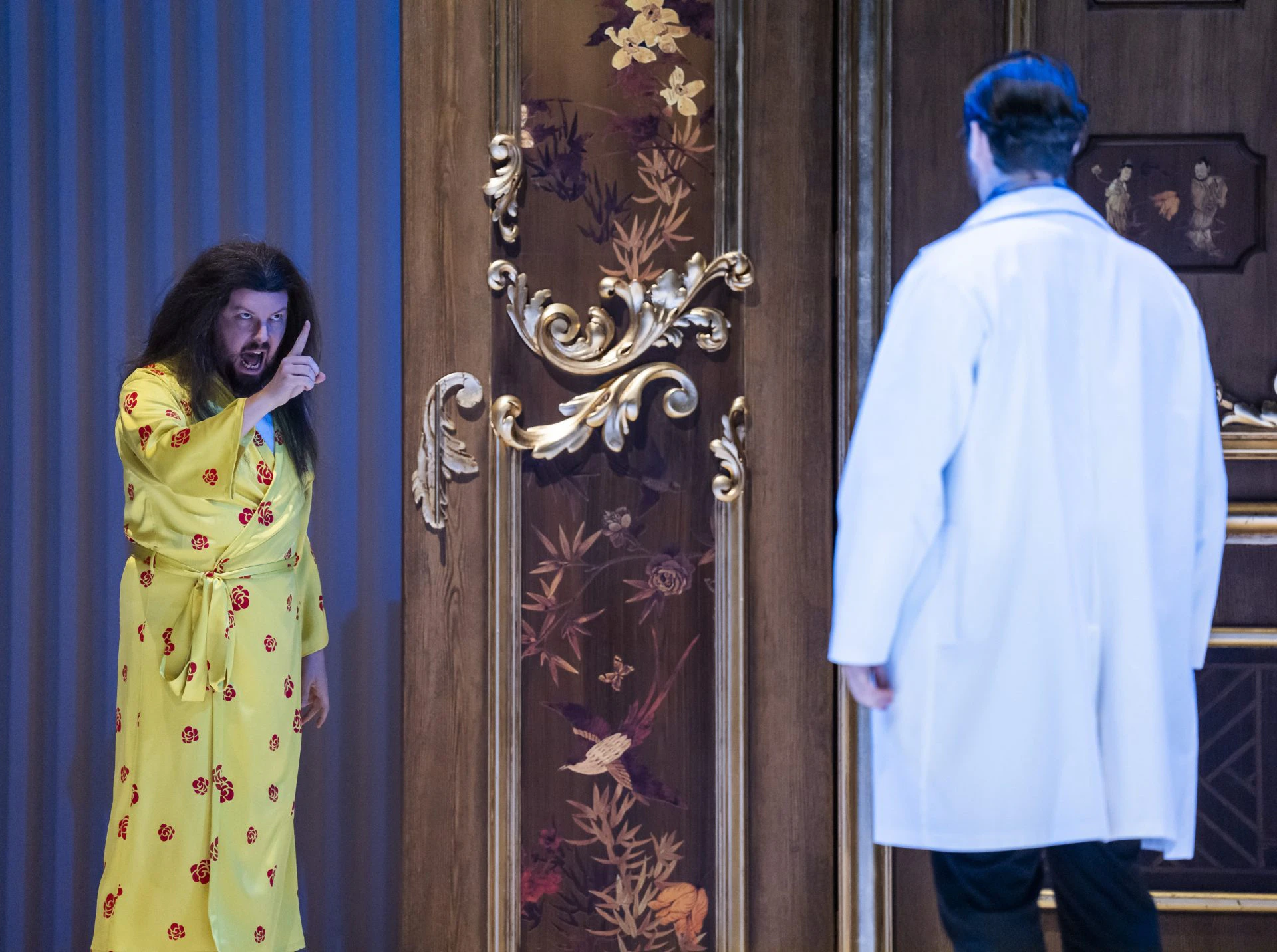
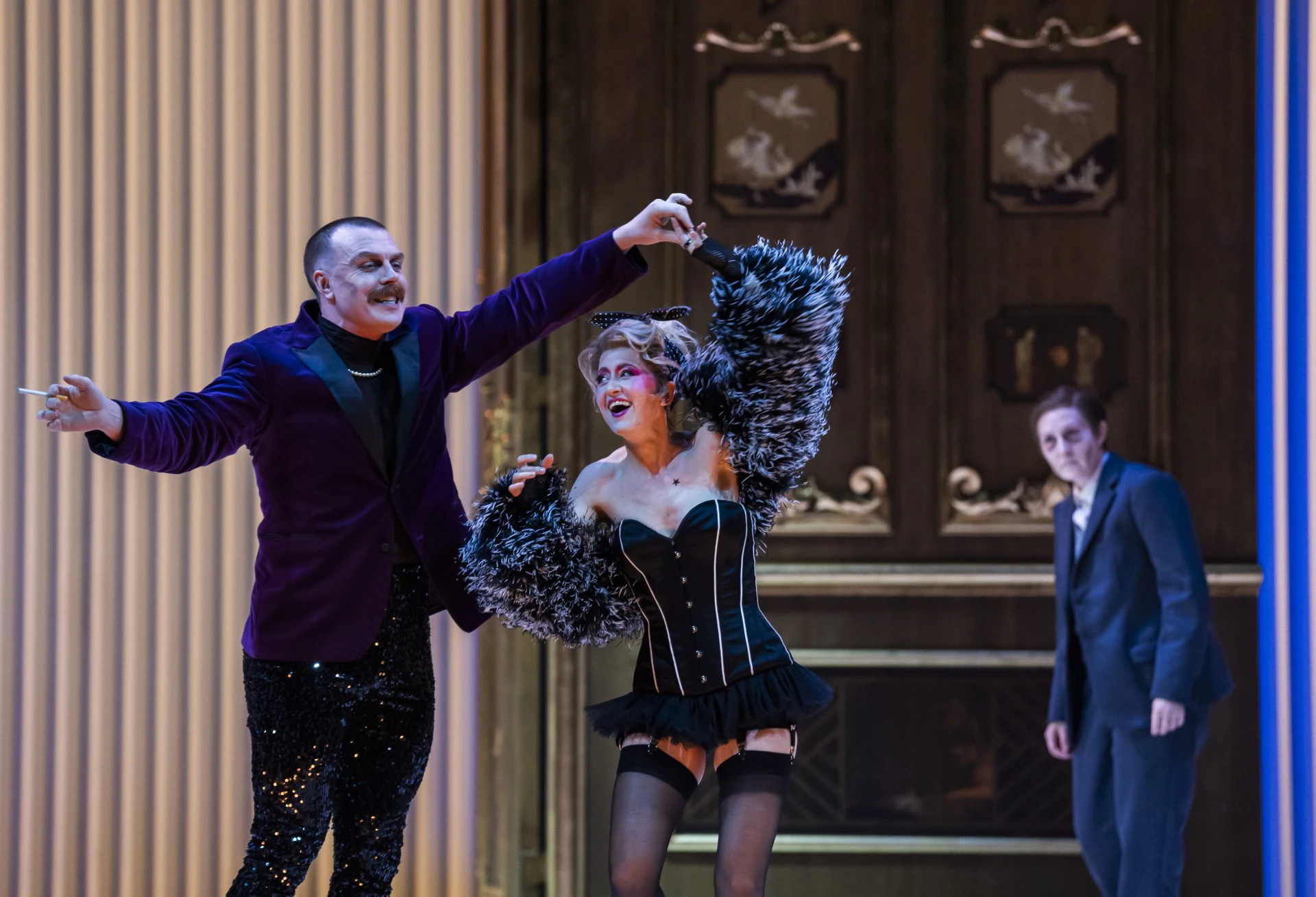
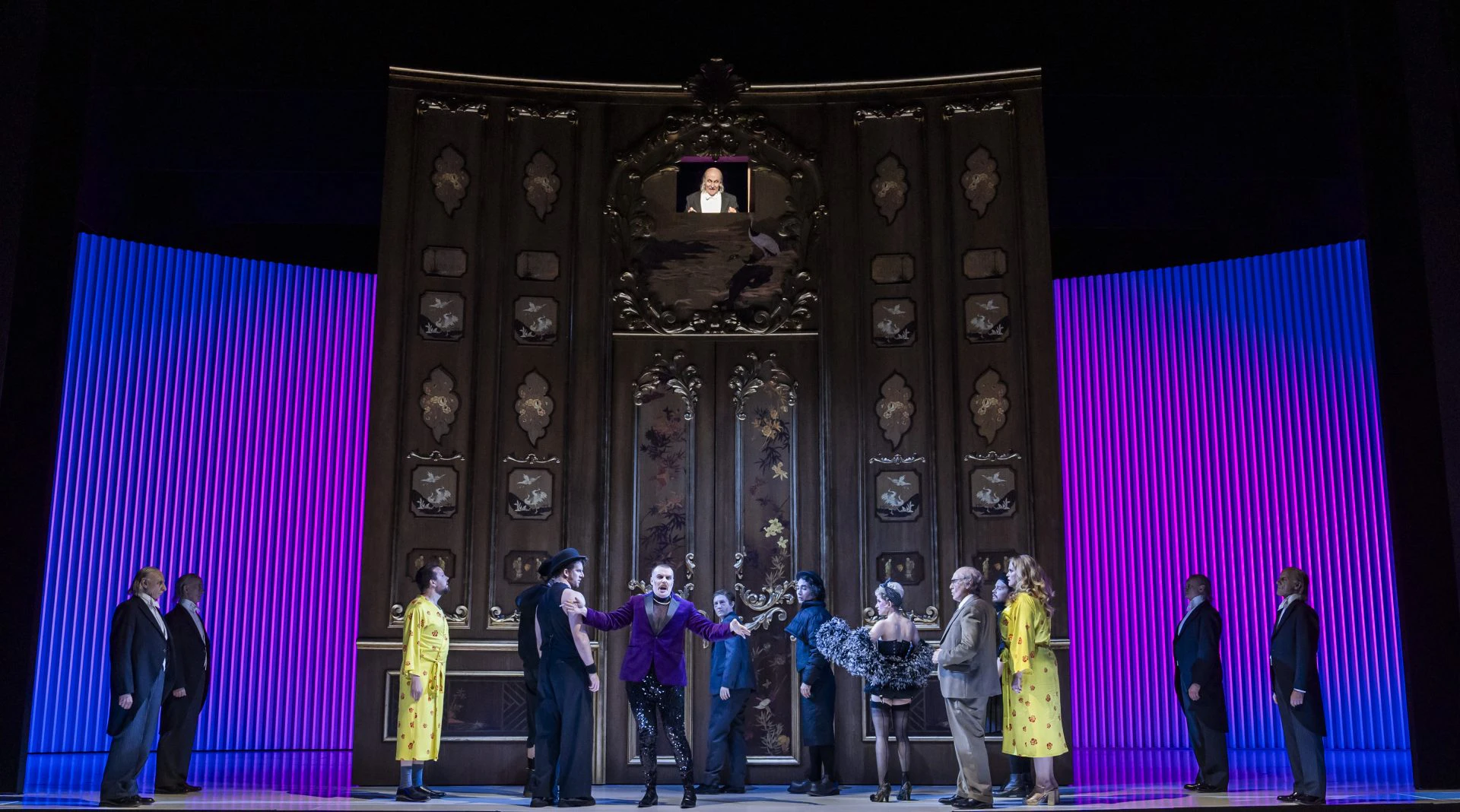
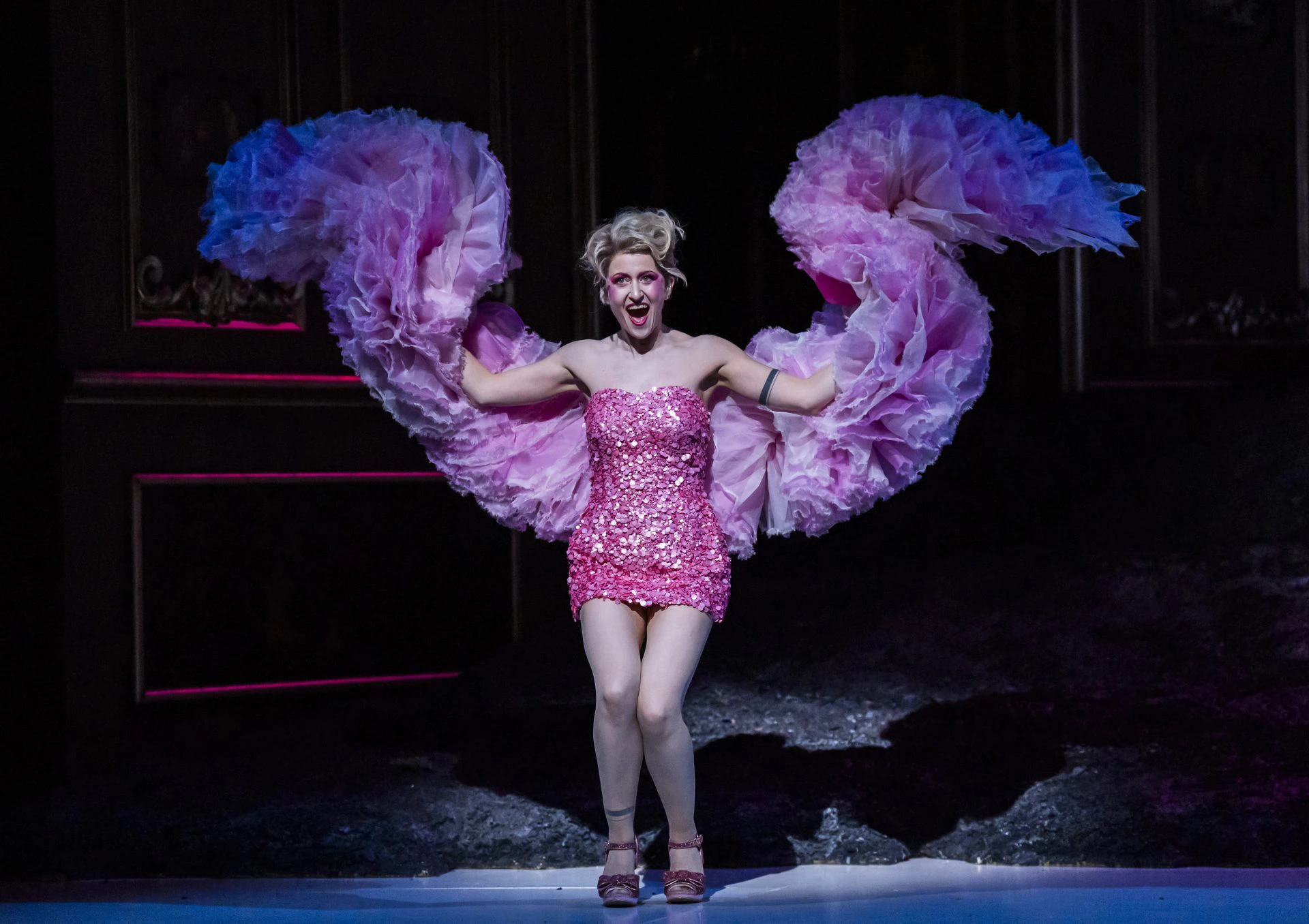
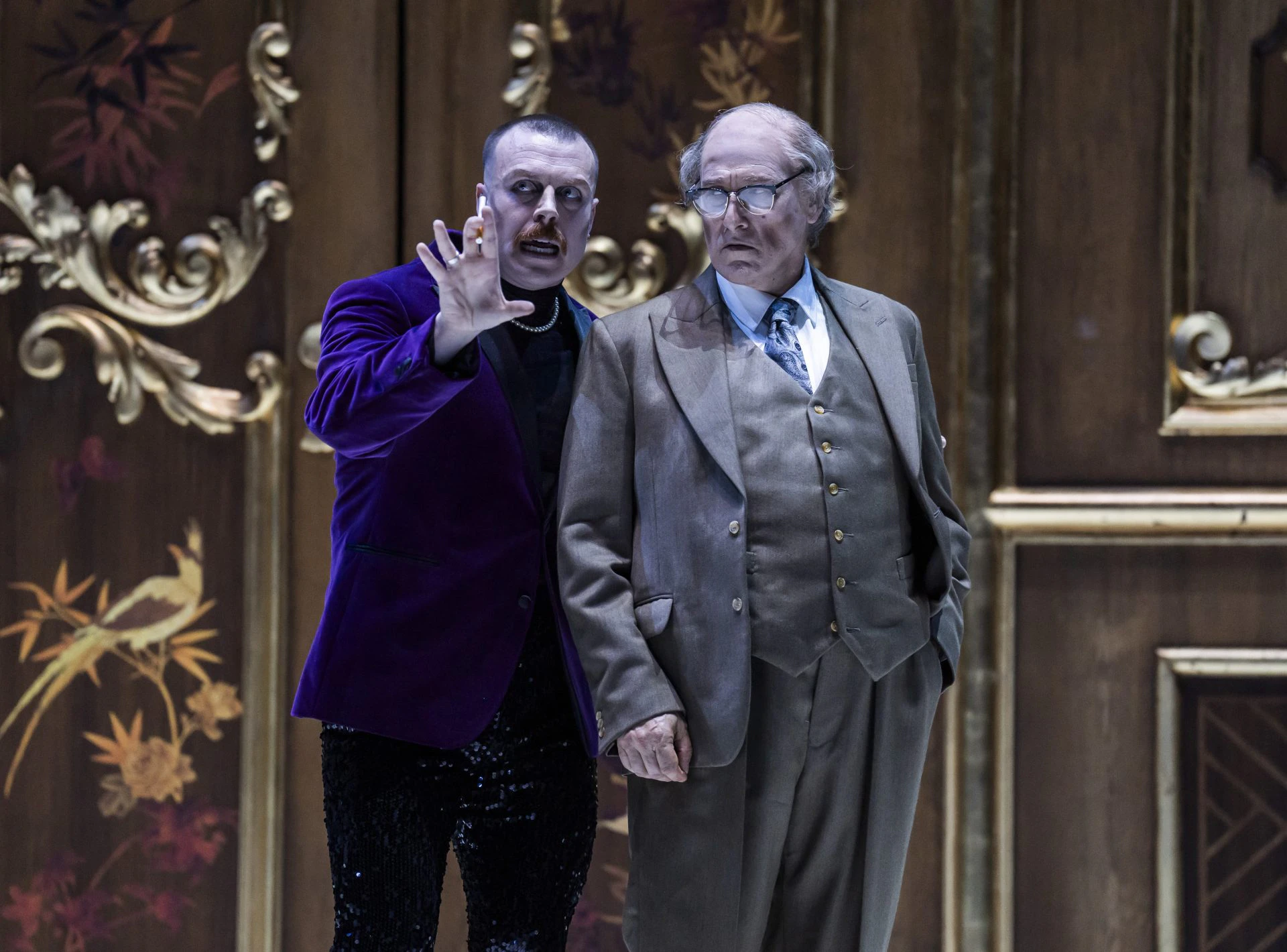
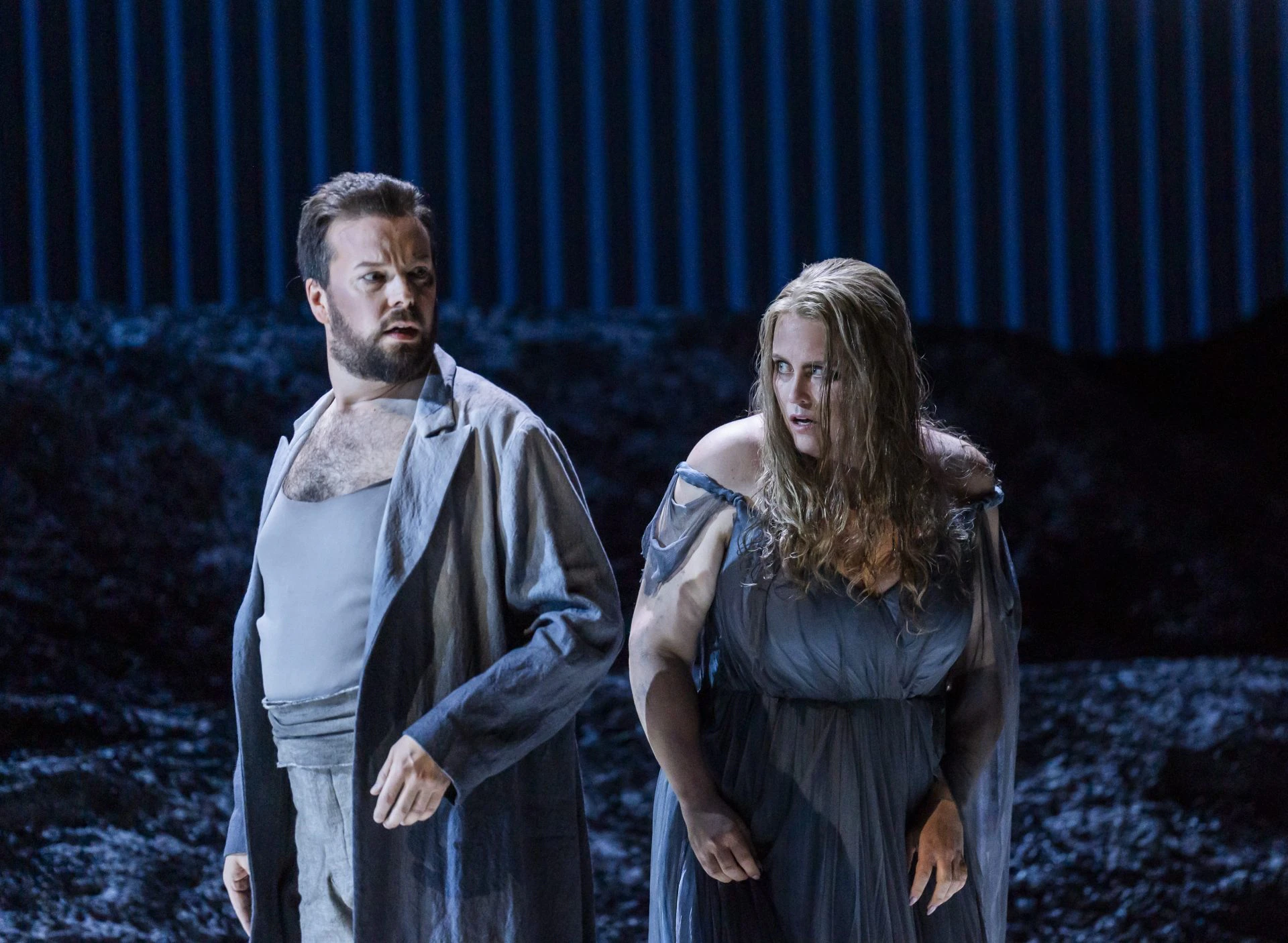
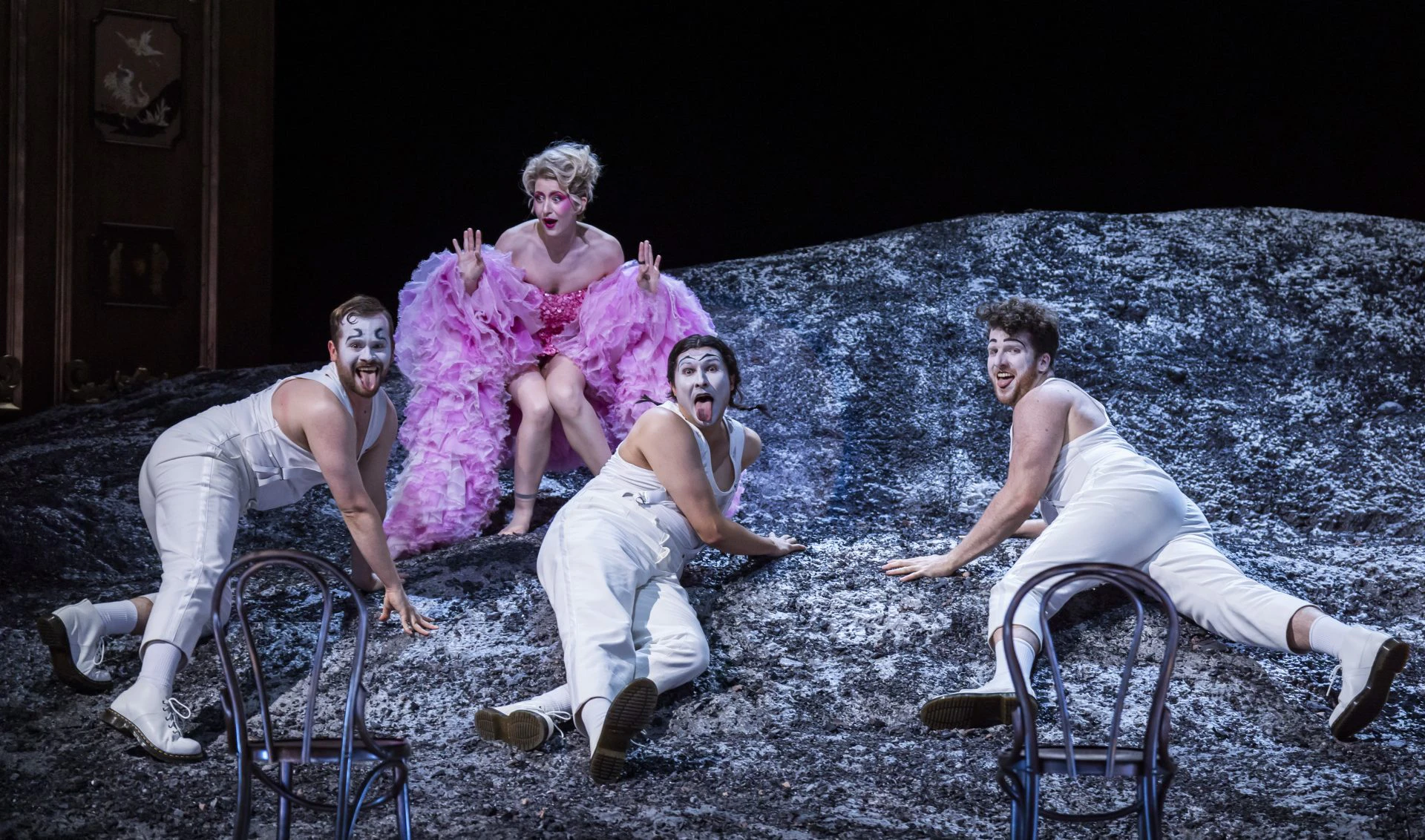
Photos by Tristram Kenton
Synopsis
At the house of the richest man in Vienna, two theatre troupes are preparing for their performances: a commedia dell’arte group, led by the comedienne Zerbinetta, and an opera company presenting a serious opera, ‘Ariadne auf Naxos’. The Major-Domo announces that, to save time, both entertainments must be performed simultaneously.
The idealistic young Composer is loath to permit any changes to his opera. But when his teacher, the Music Master, points out that his pay depends on accepting the situation, and when Zerbinetta turns her charms upon him, he complies. When he fully realises what he has agreed, he storms out.
Ariadne, who has been abandoned by Theseus, laments her lost love and yearns for death. Zerbinetta and her four companions from the commedia dell’arte troupe attempt to cheer Ariadne by singing and dancing, but without success. Zerbinetta insists that the best way to cure a broken heart is to find another love. Each of the four commedia men pursues Zerbinetta.
Naiad, Dryad and Echo announce the arrival of a stranger. Ariadne assumes it is the messenger of death, but in fact it is Bacchus, who falls instantly in love with Ariadne. As Ariadne and Bacchus celebrate their love, Zerbinetta claims that she was right all along.
videos


